
Stakeholders push for supporting Ugandans in Diaspora to increase investments in Uganda
Findings from recent roadshows in the USA, United Arab Emirates, and the United Kingdom indicate that Ugandans abroad collectively hold between $30,000 and $3 billion in personal savings.
Uganda's Ambassador to the USA, Arthur K. Kafeero, shares a photo moment with participants and facilitators at the Four Points by Sheraton on December 2, 2025. (Photos by Titus Kakembo.)
________________
Uganda’s development ambitions could receive a major boost if the country meaningfully taps into the savings of its citizens living and working abroad.
Billions of shillings are lying idle in Diaspora bank accounts, with many citizens overseas eager to channel their money back home - but unable to do so because of administrative constraints, limited access to local banking, and unclear investment pathways.
This opportunity came into sharp focus during a high-level symposium convened by the Uganda Embassy in the United States, where the Ministry of Finance’s Brian Kanzira revealed that preliminary assessments show significant amounts of untapped capital.
Findings from recent roadshows in the USA, United Arab Emirates, and the United Kingdom indicate that Ugandans abroad collectively hold between $30,000 and $3 billion in personal savings. These funds, he said, represent enormous potential for national development - especially in the health sector.
“We registered more than 600 inquiries about bonds and capital markets during the roadshows. Many Ugandans abroad want to invest, but the requirement of having a bank account in Uganda poses a barrier. Most local banks have no presence in those countries, leaving potential investors stranded,” Kanzira disclosed.
The inquiries showed a wide financial capacity among Diaspora communities, ranging from individuals with $50,000 in savings to others with up to $100 million. Kanzira stressed that many are driven by personal experiences of health-related suffering back home.
“One out of every ten has had a relative, friend, or in-law affected by cancer, HIV or other severe illnesses. They want to be part of the solution,” he said.
The symposium brought together health professionals, development partners, and policymakers in a rare deep-dive discussion on improving Uganda’s healthcare system. A major thread was the recognition that Uganda must incorporate Diaspora engagement into its long-term health financing model.
Participants from various ministries gathered for a health funding workshop organised by the Uganda Embassy in the USA at the Four Points by Sheraton.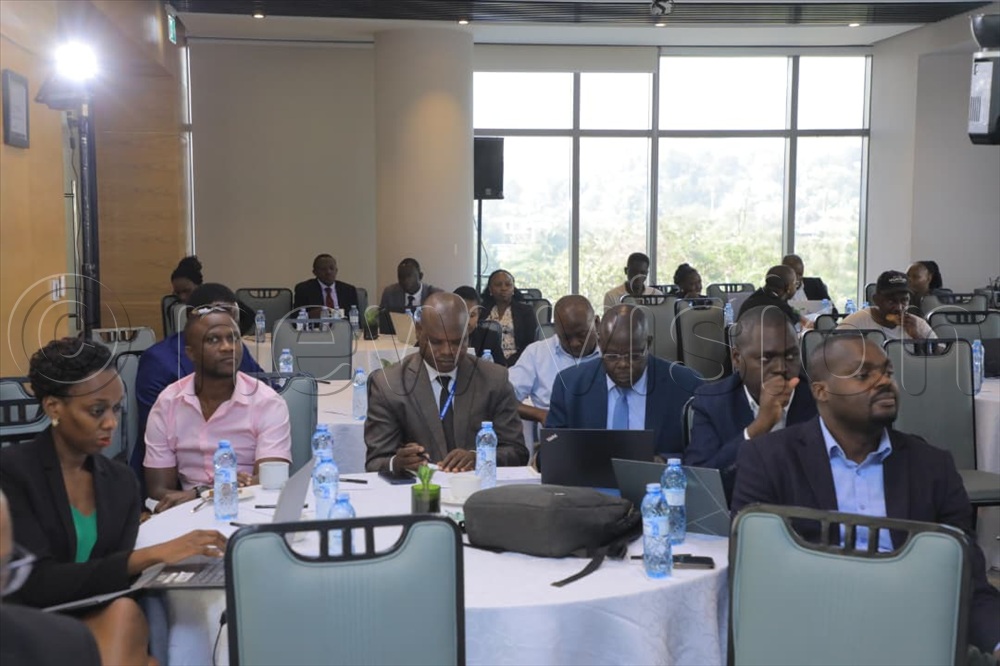
Earlier on in his keynote address, Ambassador Arthur Kabahungi Kafero stressed that no nation can prosper without a healthy population.
“A resilient and productive workforce is essential for steering Uganda toward its dream of a $500 billion GDP. To achieve this, our people must have access to quality health services. This symposium allows us to respond to emerging health challenges and forge partnerships that can deliver solutions. We are here to be the eyes and ears for innovation,” he said.
Kafero noted that mobilising Diaspora capital could significantly close gaps in cancer care, diagnostic services, specialised training, and research. He encouraged experts to identify clear pathways that transform goodwill into sustainable investments.
Christopher Muffan, a U.S.-based financial expert and facilitator at the symposium, used a striking analogy to describe Uganda’s journey toward mobilising capital for health infrastructure.
He likened the process to climbing the Rwenzori Mountains - demanding, steep, but well within reach with the right preparation and support.
“We are here as guides to take you to the top. But several requirements must be met to secure funding. These include strong public-private-philanthropy partnerships, attracting investors, and ensuring that institutions like the Ministry of Health and the Cancer Institute are up-to-date and investment-ready,” Muffan said.
Muffan emphasised the importance of demonstrating predictable outcomes, strong governance, long asset lifespans, and investment-grade operations.
He urged Uganda to treat health infrastructure development with the same seriousness devoted to roads and tourism sectors that have attracted substantial financing because of deliberate planning and clear investment cases.
The facilitators and participants proceeded to outline several reforms that could ease Diaspora investment into the health sector and other areas. The key proposals included:
- Digital onboarding for Diaspora investors, enabling them to open accounts or purchase financial instruments remotely.
- Dedicated Diaspora investment desks in embassies to provide guidance and link investors with credible opportunities.
- Specialised bonds or health-focused investment vehicles to allow Ugandans abroad to contribute directly to hospitals, cancer centres, and medical innovation.
- Improved transparency and trust in financial markets to build confidence among Diaspora savers.
The Co-founder of Global Health Catalyst, Prof. Wilfred Ngwa, said their goal is to make “health available for all” a reality - and Uganda already has many of the ingredients needed to achieve that ambition.
He noted that one of the immediate priorities should be reducing and controlling the prevalence of cancer, which continues to strain families both financially and emotionally.
Representatives from the Ministry of Finance added that Uganda already receives more than $1.4 billion annually in remittances from the Diaspora. However, most of this money supports consumption rather than long-term investment. Creating avenues for structured investment, they said, would significantly amplify the impact of these contributions.
Officials from various institutions reassured Ugandans abroad that systems are being improved to support investment.
URSB’s Freda Nayebare encouraged Diaspora citizens to use embassies as their first point of contact whenever they wish to invest or register businesses.
“They can have their companies registered online,” she said.
Nasimbwa Sarah from the Uganda Investment Authority added that the UIA’s Diaspora Desk is fully equipped to respond to inquiries, guide investors, and resolve routine challenges quickly.
These efforts, coupled with financial-sector reforms, could transform Uganda’s Diaspora from passive contributors to strategic investors.
As Uganda moves to expand its health infrastructure and embraces more public-private partnerships, speakers at the symposium agreed on one thing: unlocking Diaspora capital is urgent, not optional. With billions sitting idle abroad and a growing willingness among Ugandans overseas to engage, the country stands before a rare opportunity.
The symposium concluded with a firm commitment to close the gap between Diaspora goodwill and practical investment pathways that strengthen healthcare delivery and uplift the lives of millions back home.
Uganda’s development journey may be long and steep, but with trusted guidance, strategic reforms, and the power of Diaspora capital, the summit is well within reach.