
Masaka mukene fishers excited by Nandala value addition proposal
Once elected, Mafabi, who is flying the Forum for Democratic Change (FDC) ticket, pledges to establish fish value addition industries, saying the move could help the fishers break free from heavy losses caused by selling unprocessed fish.
Mukene (silver fish) fishers and traders in Masaka district have welcomed a pledge by presidential candidate James Nathan Nandala Mafabi.
MASAKA - Mukene (silver fish) fishers and traders in Masaka district have welcomed a pledge by presidential candidate James Nathan Nandala Mafabi.
Once elected, Mafabi, who is flying the Forum for Democratic Change (FDC) ticket, pledges to establish fish value addition industries, saying the move could help the fishers break free from heavy losses caused by selling unprocessed fish.
Nandala made the promise during campaign visits to landing sites in Masaka district and city, where fishing communities said that despite producing large volumes of mukene, they earn little because the fish is sold raw, leaving profits to middlemen who clean, package and sell it elsewhere.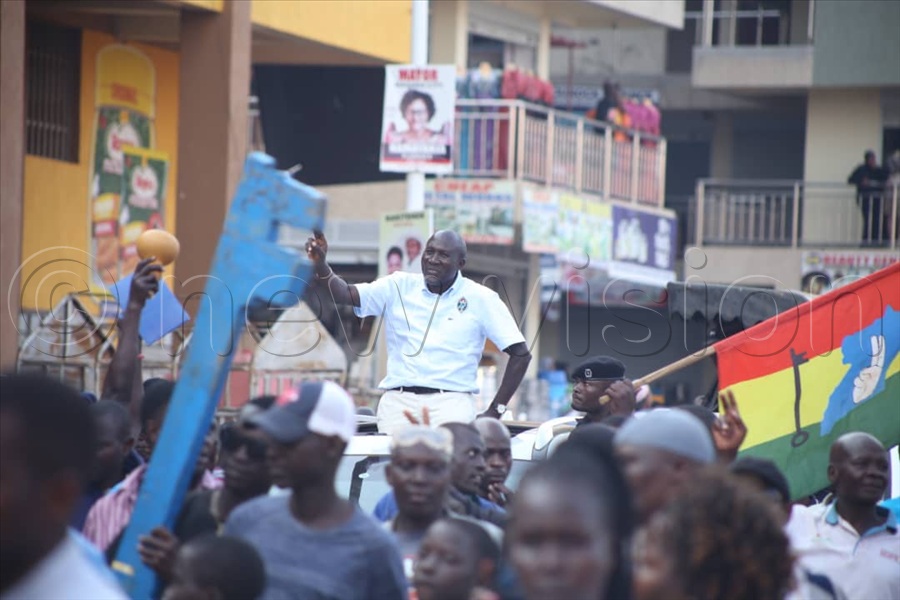
Nandala further questioned the poor state of Masaka’s landing sites despite Parliament approving funds to upgrade them. (All Photos by Alfred Ochwo)
Mukene, aka Rastrineobola argentea (Silver Cyprinid), is a small, finger-sized fish species and is one of the three main pelagic varieties found in Ugandan waters.
At Lumba landing site, Mukene seller Sarah Nakyewa highlighted that Mukene is the major fish that is sold from this landing site, but unfortunately, middlemen buy it at the lowest price, leaving them in losses because it's them who even determine prices.
“We sell mukene just as it is. A kilo goes for about shillings 3,500, depending on the season. By the time it reaches Kampala, someone has cleaned it, packaged it and sells it at almost three times the price. That money does not come back to us.” Nakyewa said.
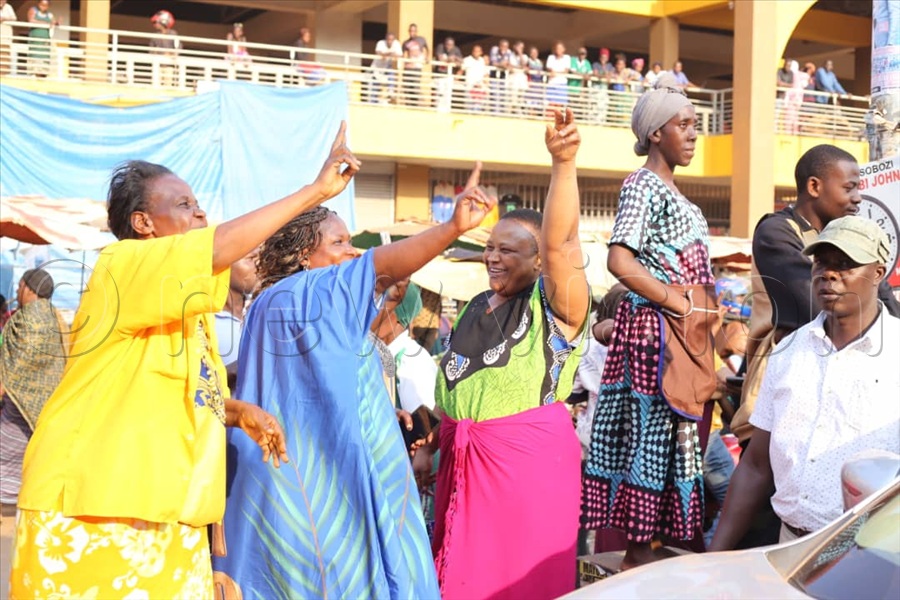
Her experience is shared by many at the landing site. Fellow trader Aisha Ssenyonga said losses are worsened by weather disruptions and enforcement operations that frequently interrupt drying and selling.
“When rain comes or hygiene officers chase us, we lose even more,” Ssenyonga told New Vision. “If we had machines to process and package mukene here, we would earn better. But we are stuck selling raw fish.”
For many traders, the difference between raw and value-added mukene is the difference between mere survival and economic progress.
While a kilogram of unprocessed mukene fetches about shillings 3,500 at the landing site, properly processed and hygienically packaged mukene can sell for as much as shillings 30,000 on the wider market.
It is this gap that Nandala said his government would seek to close. Speaking to fishermen and traders at Lambu landing site, he promised to establish fish value addition industries at major landing sites, arguing that Uganda continues to lose billions of shillings by exporting raw fish products while lakeside communities remain poor.
“My government will provide a market for all the fish produced here, including on the global market. Mukene, like other fish, is very valuable internationally. But our people are poor because middlemen take the biggest share. We shall process it here, package it here and ensure fishermen and traders earn from their sweat.” Nandala said.

More reforms
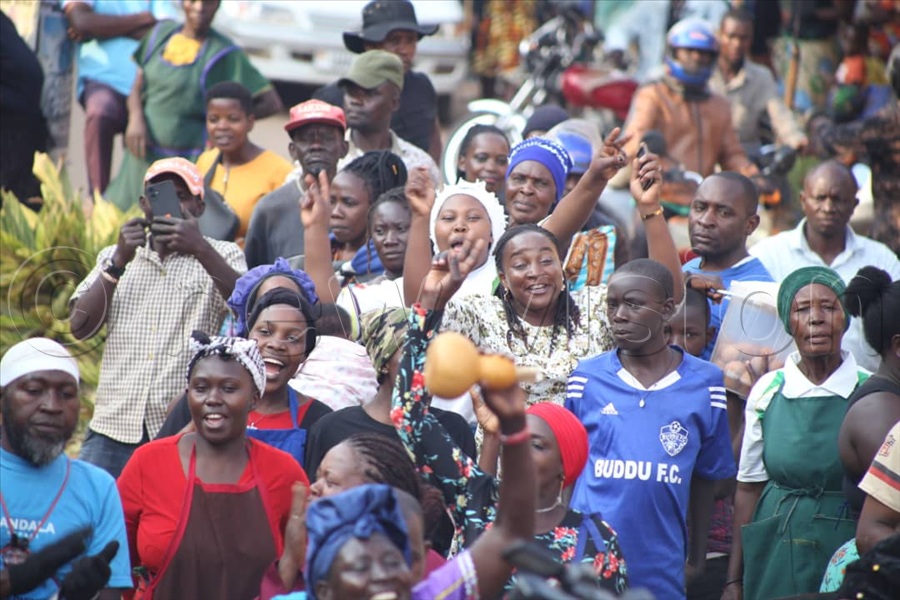
The pledge formed part of a broader message on fisheries reform as Nandala campaigned across Masaka district and city on December 18, 2025. At nearly every stop, fishermen raised concerns about militarisation of the lakes, loss of livelihoods, insecurity on the waters and the collapse of basic infrastructure at landing sites.
Nandala promised to return control of Uganda’s water bodies from the military to civilian-led Beach Management Committees (BMCs), arguing that indigenous fishermen are best placed to manage and protect the lakes.
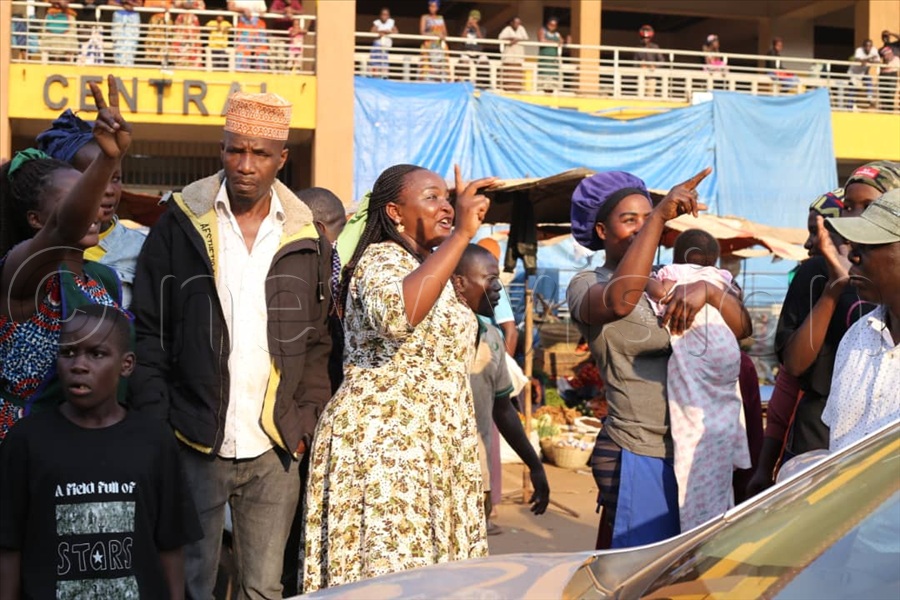
“We are going to give back the lake to the people. Beach Management Committees will be in charge of activities on the water. Security can support, but management must be civilian,” he said.
He also pledged to establish a special fund to enable fishermen access modern fishing gear at subsidised prices, with free nets for those unable to afford them.
According to Nandala, landing sites would also benefit from the village-based financing model, under which each village would receive Shs100 million to support local production and livelihoods.
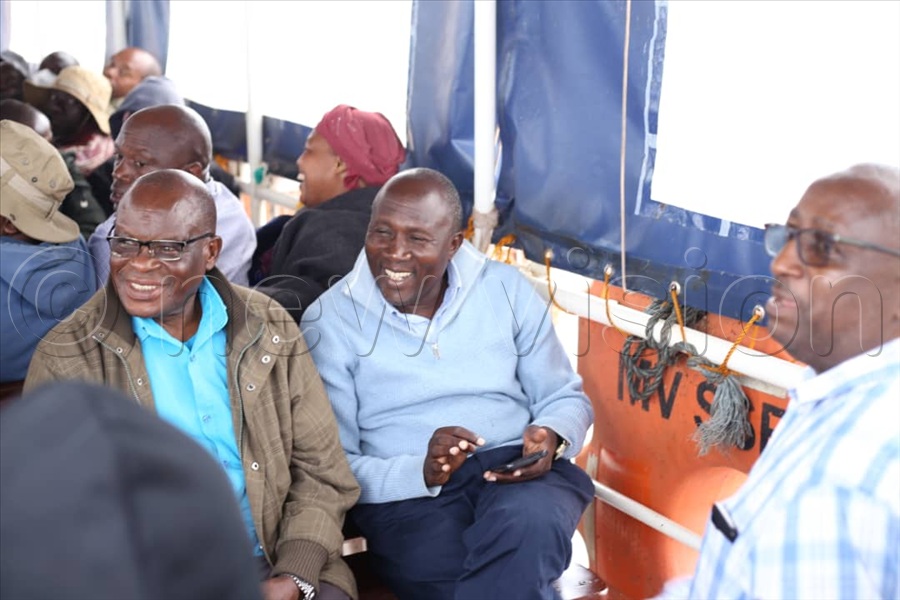
Nandala further questioned the poor state of Masaka’s landing sites despite Parliament approving funds to upgrade them.
He cited a $25 million African Development Bank loan approved in 2002 to rehabilitate and upgrade 30 landing sites across the country, saying the current conditions point to mismanagement.
“We passed a loan to develop landing sites, but look at what is here. As president, I will follow up where that money went and who benefited, because clearly it did not help fishermen,” he said.
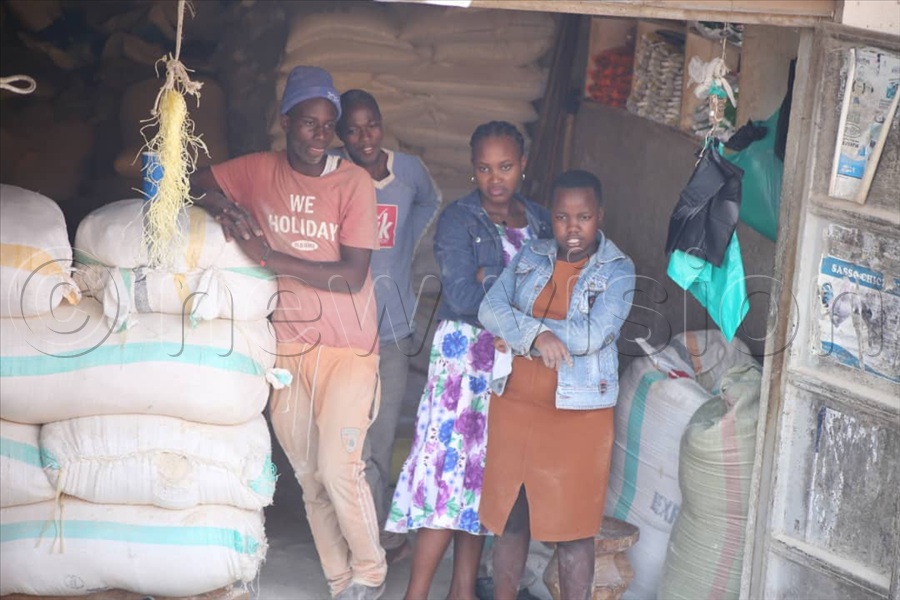
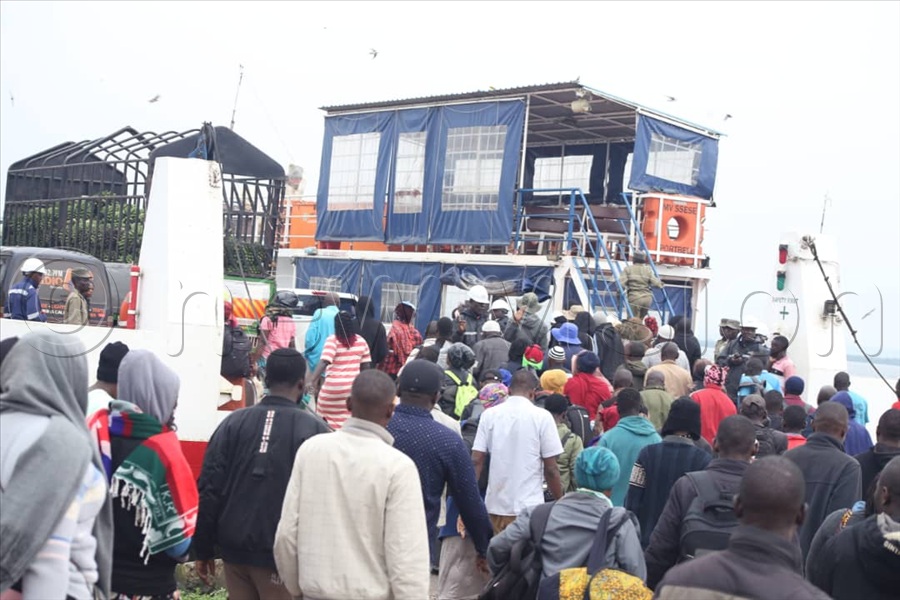
For Nakyewa and Ssenyonga, the promise of processing plants offers hope beyond day-to-day survival. They said value addition would stabilise prices, reduce losses during bad weather and open access to regional and international markets.
They added that such industries would also create jobs for women and young people involved in sorting, drying, packaging and transport.
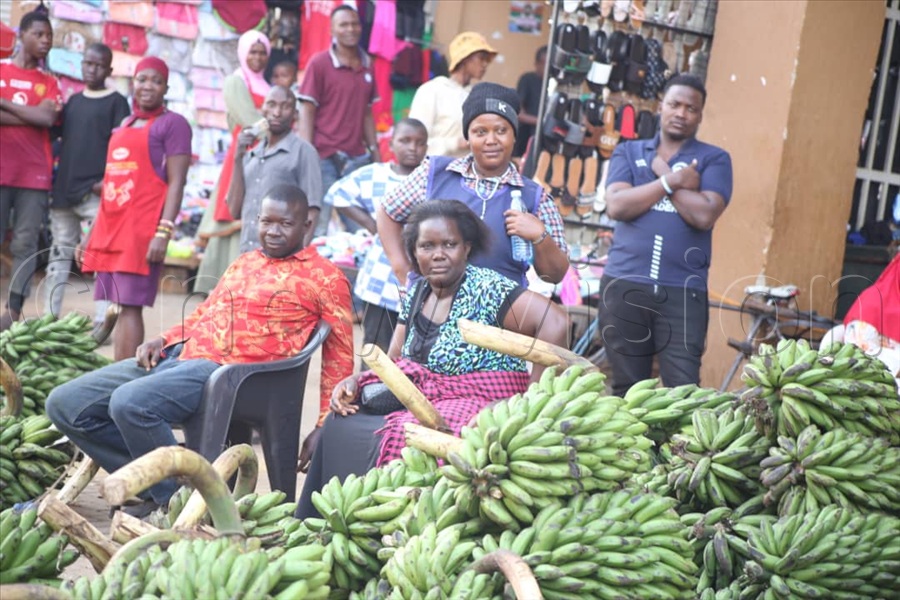
Beyond fisheries, Nandala urged Masaka residents to continue growing coffee, describing it as one of Uganda’s most competitive cash crops globally. He promised free seedlings through revived cooperative unions, alongside access to fertilisers and organised markets.
“When we revive farmers’ banks and cooperatives, they will handle markets, fertilisers and seedlings,” he said. “In Bugisu, a kilo of coffee is selling at Shs18,000. Imagine when our coffee is listed on international stock markets and competes with Brazil and Vietnam.”
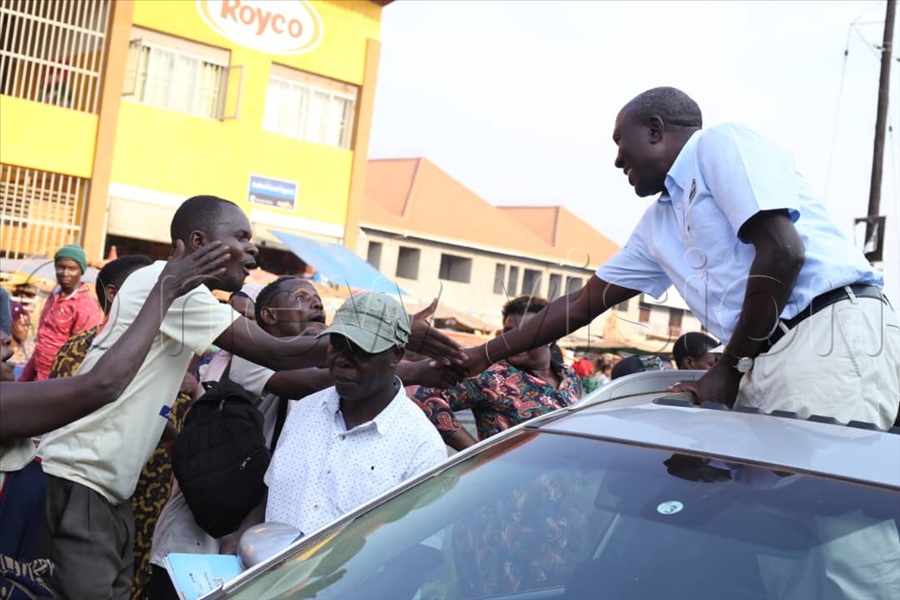
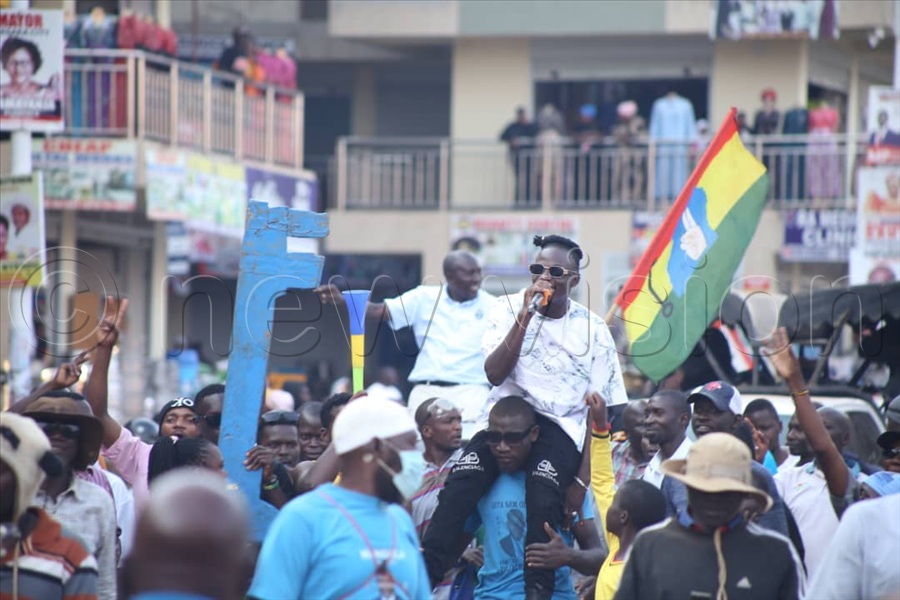
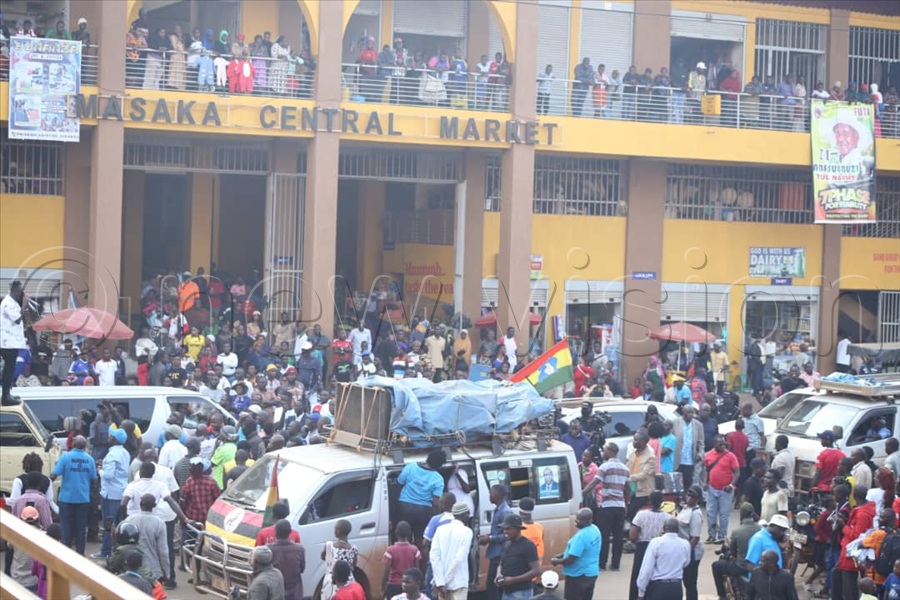
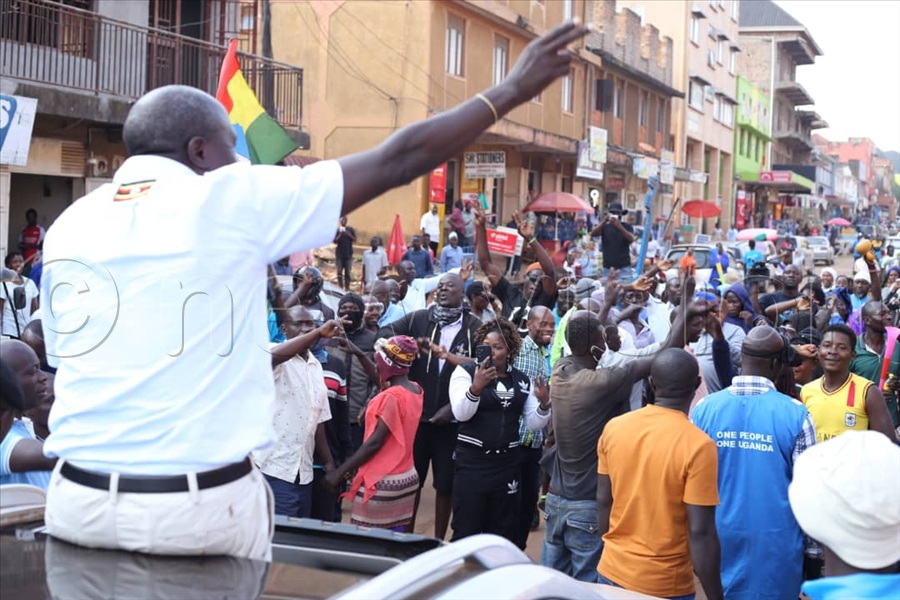
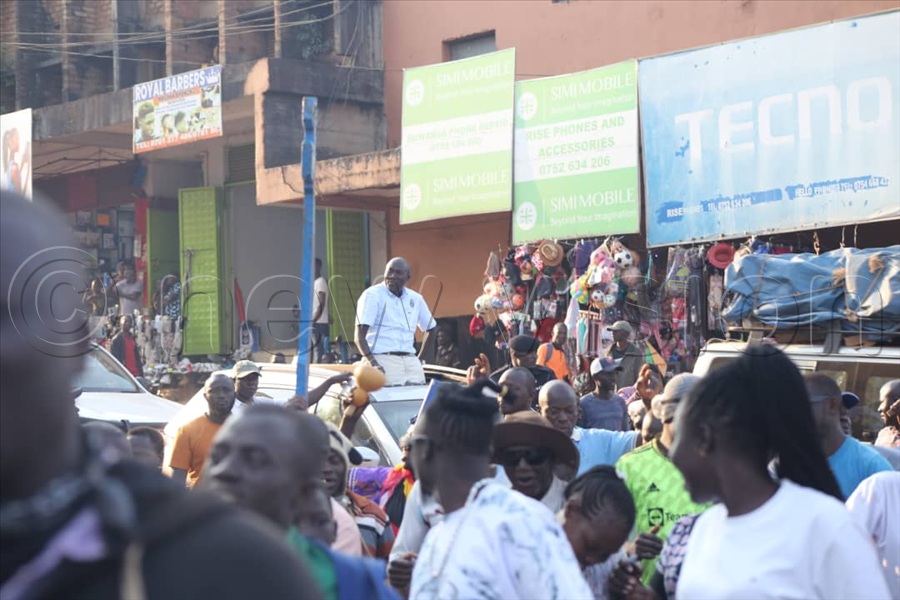
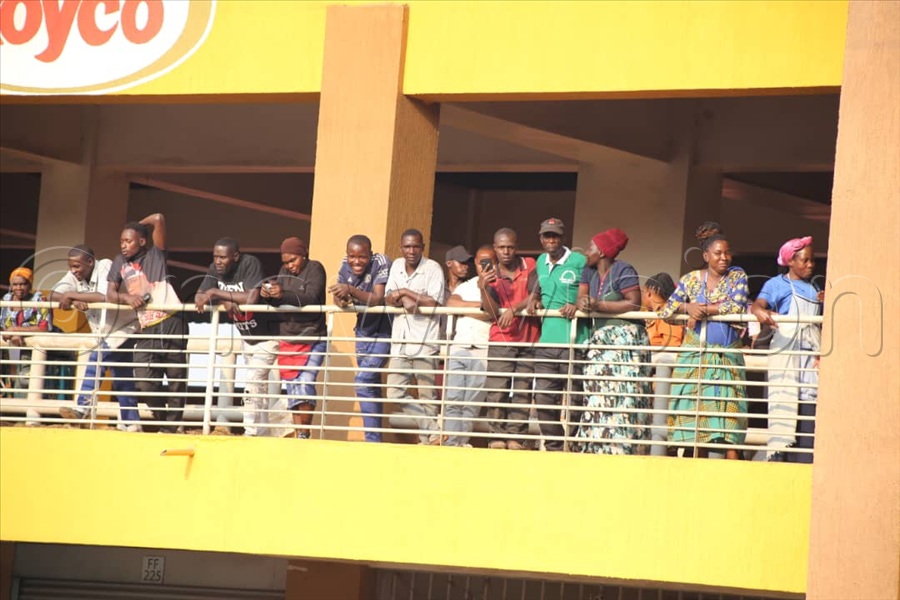
Later in the evening, Nandala led processions through Masaka City, stopping to address traders and boda boda riders. He promised to reduce taxes from 40% to 10% arguing that high taxation is forcing businesses to close.
“When taxes are low, people do more business, and government earns more through increased economic activity,” he said.
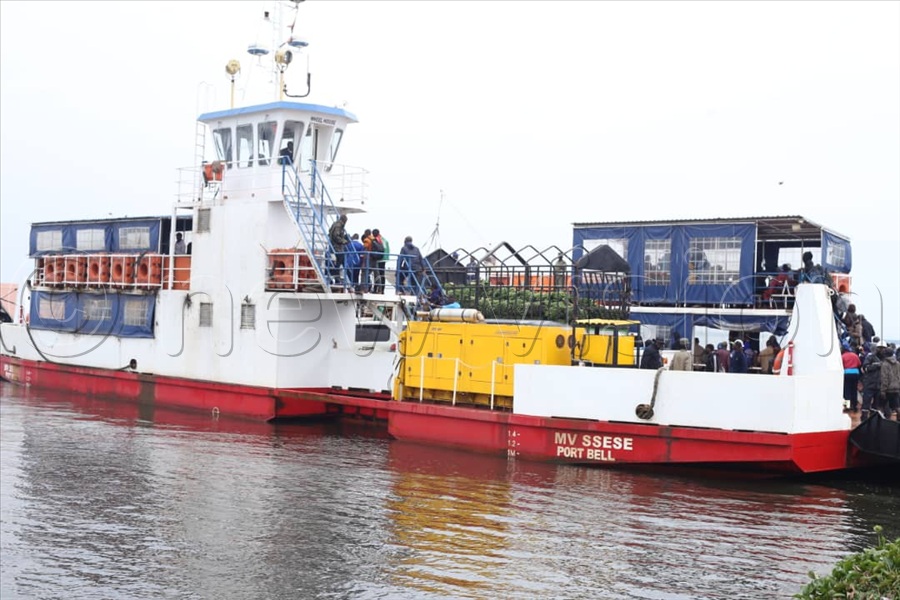
From Masaka, Nandala is expected to cross Lake Victoria to Kalangala District, where he will spend a day canvassing for votes among island communities.
His campaign then moves to Mpigi, Gomba and Butambala on Saturday, before concluding the week in Mubende and Kasanda on Sunday.