
KCCA, Glovo push for safer riding through digital monitoring feature
Boda boda riders and passengers remained among the most vulnerable road users, with speeding and dangerous overtaking cited among the leading causes of accidents.
Glovo riders who attended the training and launch of the telematics at Fairway Hotel on Wednesday. (Courtesy)
_______________
Glovo Uganda and Kampala Capital City Authority (KCCA) are optimistic that the newly launched telematics, a rider safety monitoring feature, will hugely contribute towards efforts to combat motorcycle-related accidents.
The launch, held on Wednesday at Fairway Hotel in Kampala in partnership with the Kampala Capital City Authority (KCCA), comes as Uganda increasingly turns to technology-driven traffic enforcement systems such as the Electronic Penalty System (EPS) and the Intelligent Transport Monitoring System (ITMS) to improve compliance with road regulations and reduce crashes.
According to the Uganda Police Annual Crime Report 2025, the country recorded 26,044 road crashes last year, including 4,602 fatal accidents, with 5,383 people killed, an average of about 15 deaths per day.
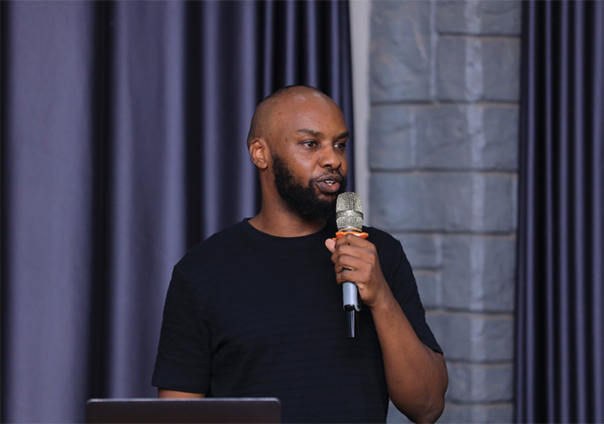
Brandon Njorge, Glovo Uganda Head of Operations speaking during the launch. (Courtesy)
According to Brandon Njorge, Glovo Uganda Head of Operations, the new in-app telematics feature will track rider behaviour, including speeding, harsh braking and phone usage while riding, with the aim of encouraging safer road habits.
“The rider safety feature we are launching today is basically an in-app solution or an in-app feature that scores riders based on their riding habits, and this basically tries to encourage them to have better riding habits so that we prevent accidents,” Njoroge said.
Njoroge added that the company would use the data collected to identify riders who may require additional training rather than punish them.
“These specific riders who keep having low scores, we then tailor specific training for them to make sure that they are aware of this. This will help them to improve and grow their score per trip, “he highlighted.
“Today’s engagement has been basically focused on how we can help Glovo ensure that their customers, people who use their services, do it in a safe, convenient and sustainable manner. They can capture real-time accidents happening, and that can also help with emergency response.”
Waswa said KCCA continued to face challenges maintaining road signage across Kampala, particularly in areas where signs had faded or been vandalised.
“We know that on many of the roads, either signage has faded, or some have been vandalised, but it is our duty to ensure that those that have faded are reinstated,” he said.
For many riders attending the training session, the initiative highlighted risks they routinely face on Kampala’s roads.
“I think this technology will help us know what we have to improve as riders. When we go over speed and in case of any surprise, maybe a car or a pedestrian is crossing, you can easily crash,” Glovo rider Caleb Mwesigwa explained.
Njoroge said many riders working with the platform were young Ugandans navigating a difficult labour market, with most falling between the ages of 22 and 26.
He called for stronger collaboration between government agencies and private companies to improve road safety and formalise Uganda’s boda boda sector.