
Blogs
Visit to Ngoma Presidential Farm was inspiring and refreshingly uncomfortable
At Ngoma, one quickly realises that the President is not merely preaching wealth creation— he is living it.
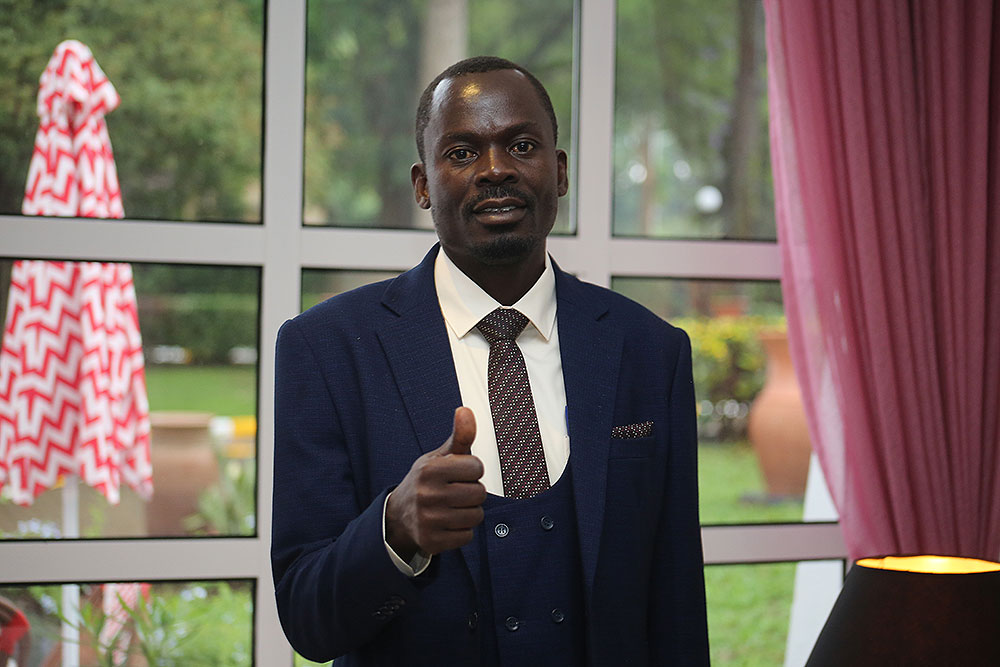
Constantine Okwi is the MP-elect for Kibale County in Pallisa district. (Courtesy photo)
By: Admin ., Journalist @New Vision
_________________________
✍️🏾 OPINION
By Constantine Okwi
There is an African proverb that says: “The child who is not embraced by the village will burn it down to feel its warmth.”
In politics, the reverse is equally true: the young leader who is properly mentored by the village will build it, brick by brick, into something stronger than he found it.
That, in many ways, is what the 2026 Kyankwanzi Leaders’ Retreat at the National Leadership Training Institute has been for us — the newly elected Members of Parliament: a national village gathering where we, the fresh leaders, were not merely welcomed into office, but deliberately shaped into responsible custodians of Uganda’s future.
Held April 7-15 under the theme “Aligning the NRM leadership towards protecting the gains and making the qualitative leap towards a higher middle-income status society,” the retreat was far more than a routine political event.
It was a critical reset for contemporary leadership — an intentional process designed to equip leaders with both the intellectual grounding and the personal discipline required to transform themselves, the communities they represent, and the nation at large.
For me, as the Member of Parliament-Elect for Kibale County in Pallisa, the retreat was not just another political gathering.
It was an initiation into the deeper architecture of governance — a rare classroom where ideology and practice converged. It was, in many respects, a temple where the rhetoric of leadership gave way to the realities of responsibility.
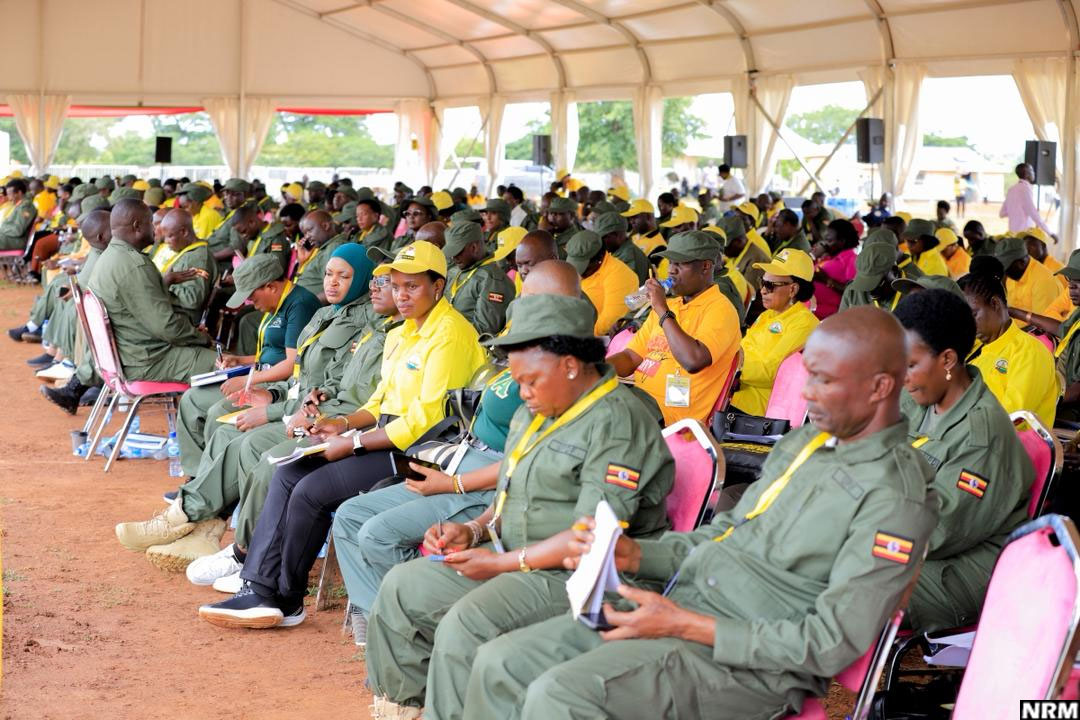
Kyankwanzi has long held symbolic importance in Uganda’s political journey, but to sit there as a first-time MP-elect among leaders drawn from every corner of the country was both humbling and energising.
Held April 7-15 under the theme “Aligning the NRM leadership towards protecting the gains and making the qualitative leap towards a higher middle-income status society,” the retreat was far more than a routine political event.
It was a critical reset for contemporary leadership — an intentional process designed to equip leaders with both the intellectual grounding and the personal discipline required to transform themselves, the communities they represent, and the nation at large.
For me, as the Member of Parliament-Elect for Kibale County in Pallisa, the retreat was not just another political gathering.
It was an initiation into the deeper architecture of governance — a rare classroom where ideology and practice converged. It was, in many respects, a temple where the rhetoric of leadership gave way to the realities of responsibility.
Kyankwanzi has long held symbolic importance in Uganda’s political journey, but to sit there as a first-time MP-elect among leaders drawn from every corner of the country was both humbling and energising.
It reinforced a fundamental truth: leadership is not the privilege of occupying an office, but rather the discipline of carrying other people’s hopes with wisdom, patience, and integrity.
For those of us entering Parliament for the first time, the retreat provided a crucial foundation in understanding how the National Resistance Movement (NRM) operates — not only as a political party, but also as a governing philosophy. We were guided through its historical mission, policy frameworks, strategic priorities, and ideological anchors.
At the heart of this ideological orientation are the four core principles of the NRM: patriotism, pan-Africanism, social-cconomic transformation, and democracy.
These pillars are not mere slogans; they are practical guides shaping Uganda’s development across sectors such as education, health, finance, social welfare, national sovereignty, and Uganda’s position in the global geopolitical space.
The retreat underscored that without correct ideology, leadership becomes hollow. Vision is indispensable — but it must be a correct vision. And for vision to be correct, it must be grounded in sound ideological understanding.
The history of the NRA/M liberation struggle stands as a powerful reference: a movement anchored on clarity of purpose, discipline, and an unwavering commitment to national transformation.
Listening to President Yoweri Kaguta Museveni, the chairman of our mighty NRM party, was one of the most intellectually enriching aspects of the retreat.
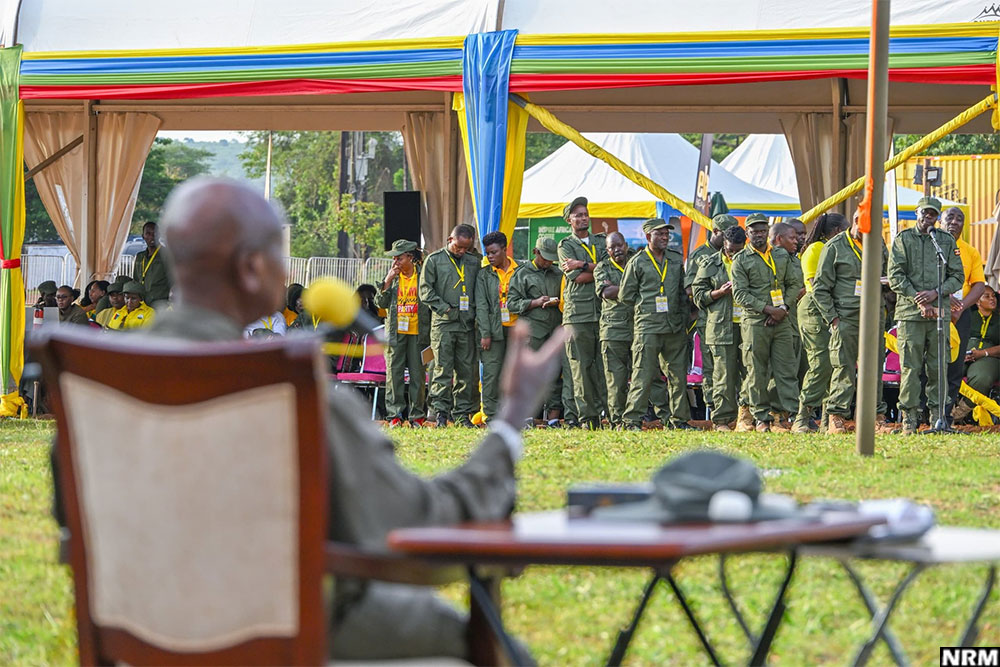
Each time he rose to speak, it felt like attending a masterclass in governance, rich with history, strategy, economic logic, and political foresight.
Like others, I did not listen to President Museveni casually. One listens with a notebook open and mind alert.
At times, his words carried both passion and pain; passion for Uganda’s immense potential and pain at the persistence of challenges such as corruption, poverty, and ideological disorientation.
He spoke not only as a head of state, but as a philosopher and father of the nation, calling upon leaders to love Uganda, love Africa, and dedicate themselves to lifting their people out of poverty while strengthening democratic governance.
As I listened, I realised something profound: leadership is not about being ahead of the people; it is about understanding where they need to go and walking there with them.
That lesson alone was worth the journey to Kyankwanzi.
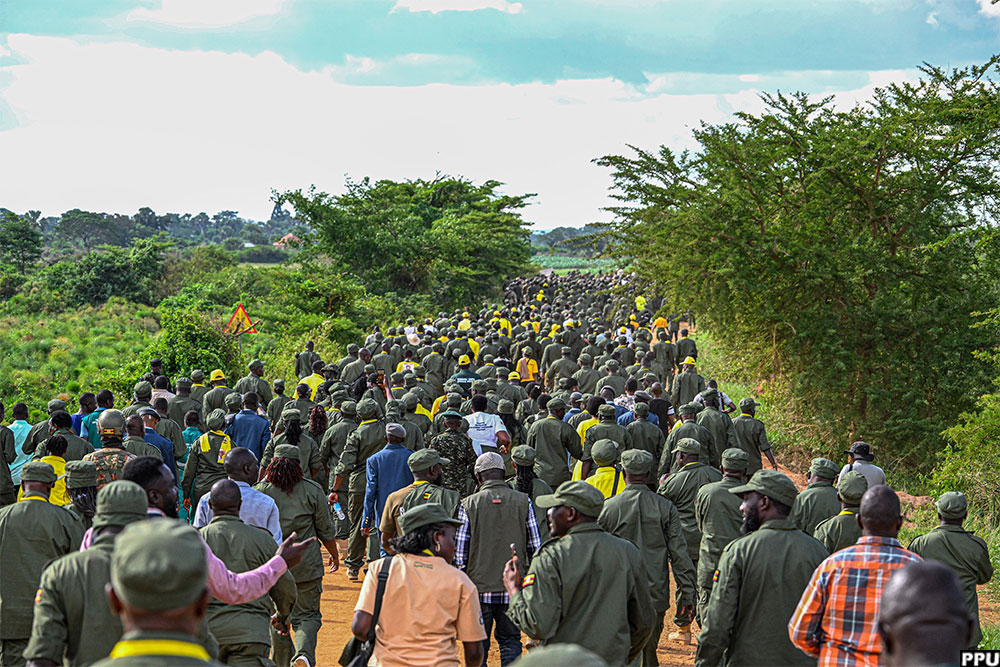
The President’s wealth creation message resonated deeply with me. For years, he has consistently argued that Uganda’s transformation lies not in dependency, but in productive enterprise — household by household, parish by parish, district by district.
And indeed, he is right.
The transition to a money economy remains the most sustainable antidote to poverty. Leaders were challenged to guide their communities along this path through the ATMS framework: agro-industrialisation, tourism development, mineral development (including oil and gas), and science, technology & innovation.
This framework has already delivered measurable progress. Uganda has significantly reduced extreme poverty and the proportion of households trapped in subsistence production. However, the next phase requires accelerating this transformation and ensuring inclusivity so that every Ugandan participates meaningfully in the money economy.
The concept often referred to as “Musevenomics” became clearer throughout the retreat. It is not a slogan, but a structured development philosophy grounded in production, value addition, self-sufficiency, and strategic state guidance. It emphasises security and stability as prerequisites for development, infrastructure as a catalyst for growth, and economic inclusiveness as a central objective.
In a country where politics can easily be reduced to slogans and sound bites, Kyankwanzi reaffirmed the seriousness of public service.
During the interactive sessions, I had the privilege of raising issues central to my constituency and the nation. I highlighted concerns regarding agricultural extension services, youth unemployment, and Uganda’s positioning in the global economic space.
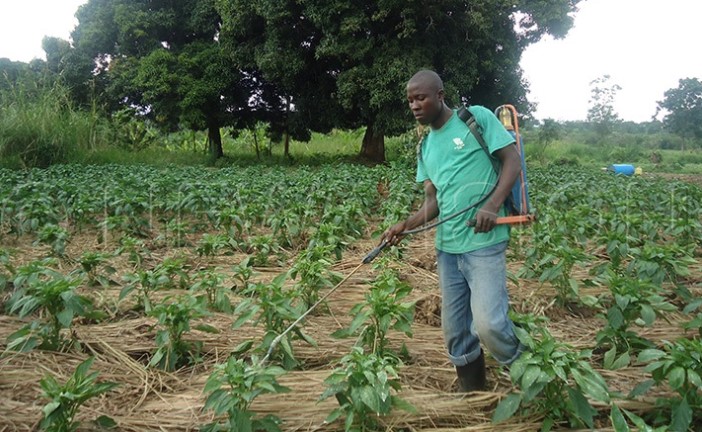
Our farmers in Kibale County and the wider Pallisa district are hardworking. What they require is not motivation—they already have it.
What they need is targeted support: access to quality agro-inputs, improved extension services, reliable markets, good road networks, and practical knowledge that transforms subsistence farming into a commercial enterprise.
Agricultural extension workers are central to this transformation. Yet many are overstretched, under-trained, and under-facilitated. A farmer cannot harvest miracles from poor guidance. Strengthening this system is essential if agriculture is to drive Uganda’s socio-economic transformation, as it must.
Receiving immediate feedback from the President, with directives issued to ministers and technocrats, was both humbling and encouraging. It reinforced the importance of raising practical issues and pursuing actionable solutions.
Beyond intellectual engagement, the retreat emphasised personal discipline and self-mastery. Early morning physical exercises — beginning as early as 4:45 am — were a daily routine.
Though initially demanding, they proved invaluable in enhancing alertness, mental sharpness, and productivity.
Leadership demands stamina. A healthy body supports a healthy mind.
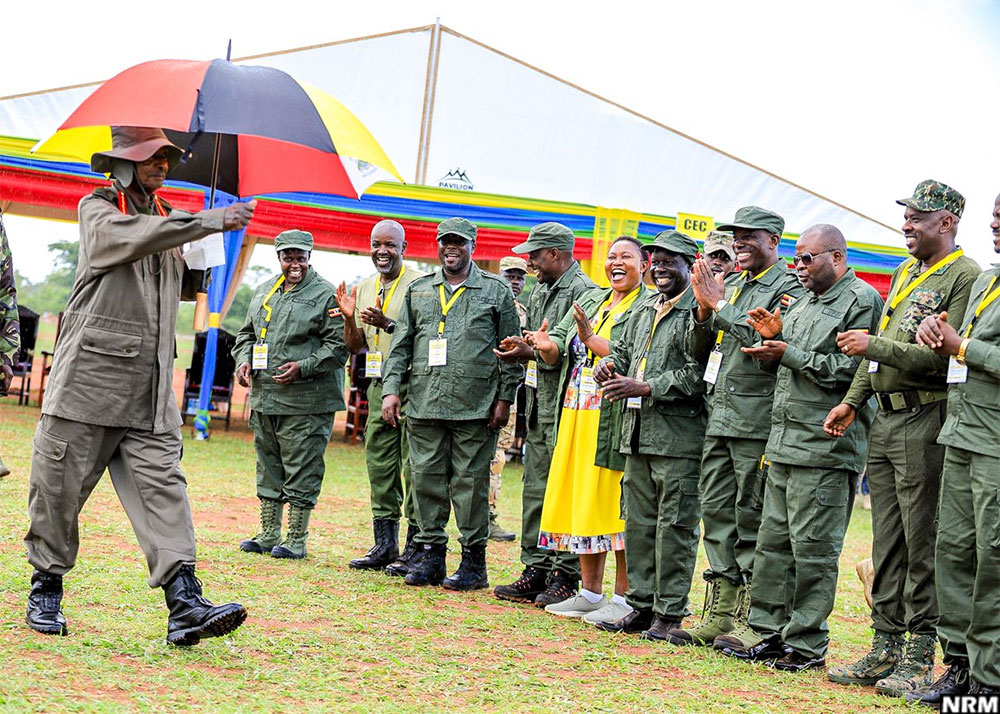
This experience challenged me to adopt a disciplined lifestyle and to encourage fellow leaders to do the same. Personal transformation is the foundation upon which societal transformation must be built.
The retreat also highlighted discipline, sacrifice, and resilience. The stories of the liberation struggle — of individuals who endured hunger, cold, and danger — reminded us that leadership is not about comfort, but service and sacrifice.
It is in this context that the call to fight corruption was delivered with urgency. Corruption is not merely a governance issue; it is a moral failure that undermines national progress and erodes public trust. Leaders were urged to reject self-aggrandisement and remain focused on the collective good.
Public resources must serve the people.
The visit to the Presidential farm in Ngoma added a practical and deeply personal dimension to these lessons. And if I may confess with a smile, it was both inspiring and refreshingly uncomfortable.
At Ngoma, one quickly realises that the President is not merely preaching wealth creation— he is living it. Every acre, every cow, every fish pond reflects deliberate effort, strategic planning, and disciplined execution.
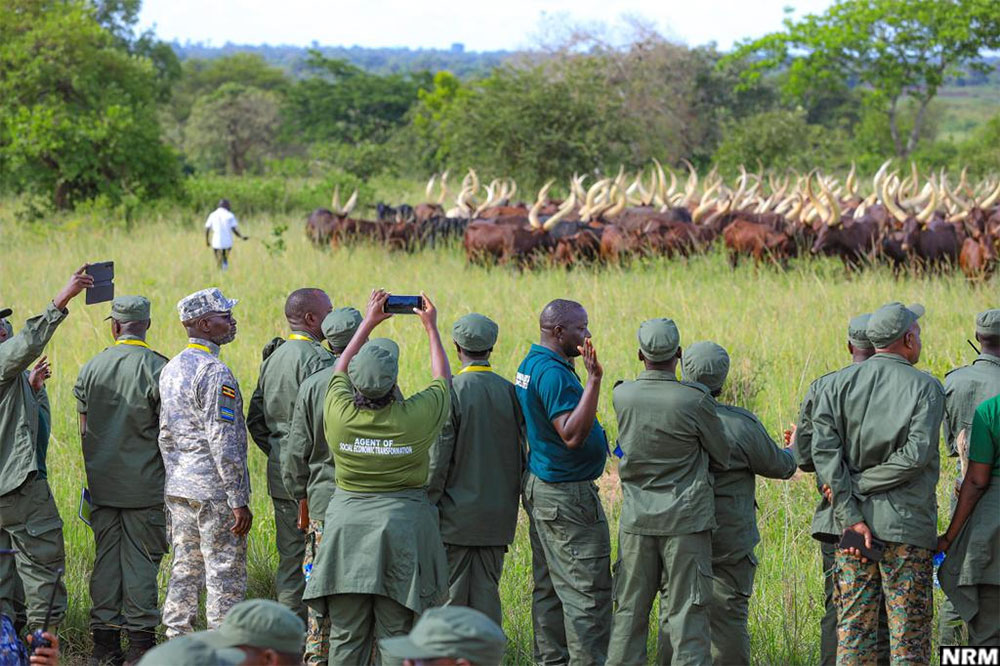
For many of us, the visit was a wake-up call. It challenged us to confront a simple truth: prosperity does not come from complaining, it comes from organised effort, intentional decisions, and consistent action.
Put lightly, after seeing Ngoma, one begins to suspect that even the cows there understand economics better than some policymakers.
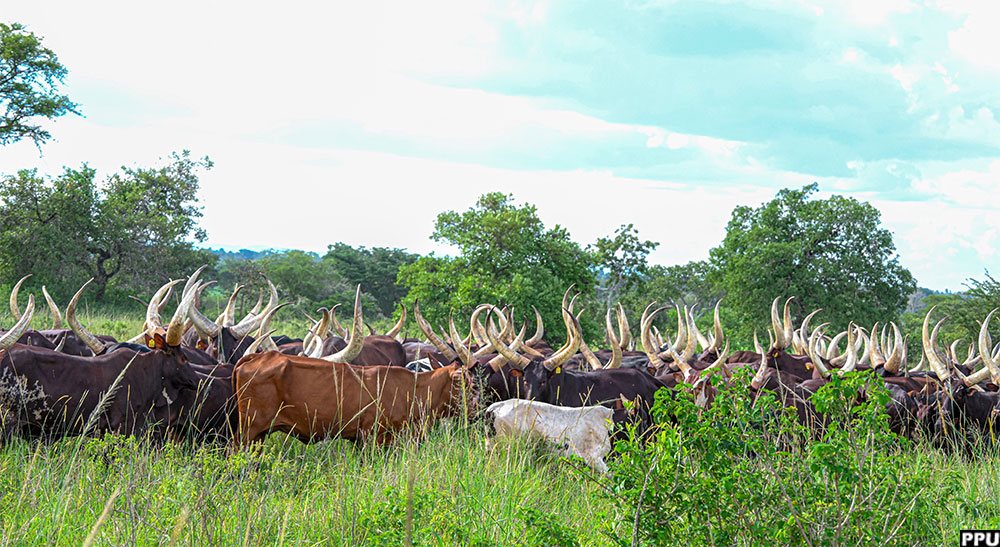
The emphasis on fish farming stood out as particularly transformative. By promoting aquaculture, Uganda can protect wetlands while creating sustainable income streams for households.
In districts like Pallisa, this presents a powerful opportunity for both environmental conservation and economic empowerment.
As another proverb reminds us: “When the rhythm of the drum changes, the dance must also change.” Uganda’s economic rhythm is evolving, and our communities must adapt accordingly.
Kyankwanzi also provided insights into governance systems through engagements with Parliament’s leadership, private sector actors, and senior government officials. These interactions deepened our understanding of how institutions must collaborate for effective service delivery.
Good governance is not an orchestra of soloists — it is a disciplined symphony.
The retreat further addressed issues of national security and sovereignty, including the demystification of tools of violence. Leaders were introduced to basic security concepts, fostering confidence and reinforcing the importance of peace and stability as the foundation of development.
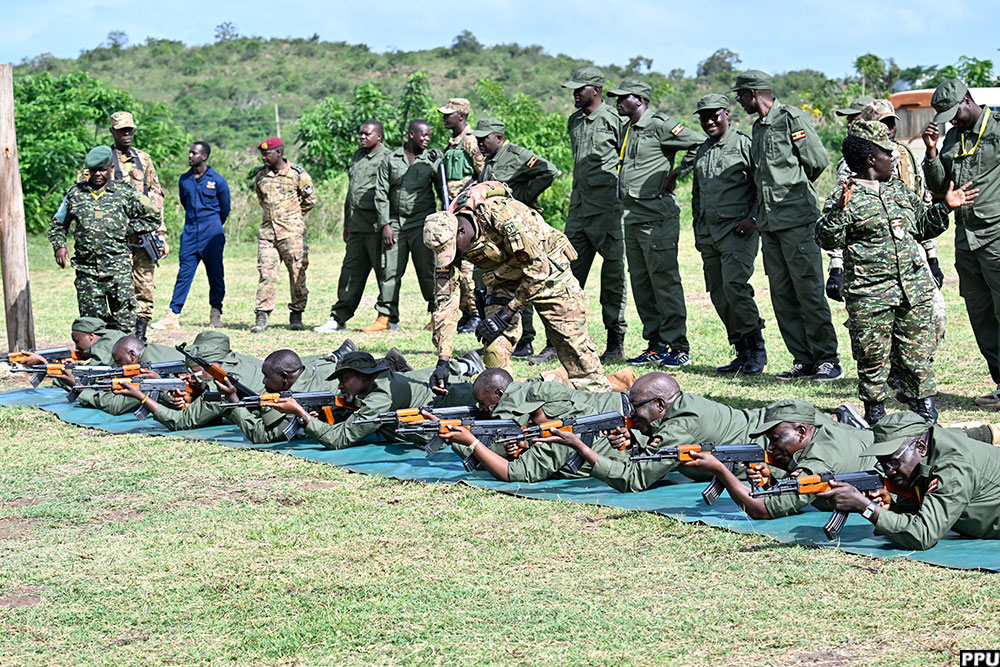
As a professional accountant and teacher by training, I deeply appreciated the structured nature of the retreat. Induction programmes like Kyankwanzi are indispensable; they establish institutional culture, provide clarity of purpose, and equip leaders with the tools necessary for effective governance.
In accounting, one does not balance books by guesswork. In leadership, one should not govern by improvisation.
I commend the NRM Secretariat for organising such a comprehensive and impactful retreat. The programme was intellectually rich, the logistics seamless, and the environment conducive to reflection and learning.
I also commend President Museveni for sustaining this tradition. His commitment to mentoring young leaders is both strategic and patriotic. A nation that fails to prepare its next generation of leaders risks mortgaging its future.
I left Kyankwanzi, carrying with me a renewed sense of duty: to maintain a healthy body and mind, to embrace and promote correct ideology, to fight poverty, to fight corruption, and to defend Uganda’s sovereignty.
Parliament is not a stage for applause lines. It is a chamber where laws shape lives, budgets define destinies, and oversight safeguards democracy.
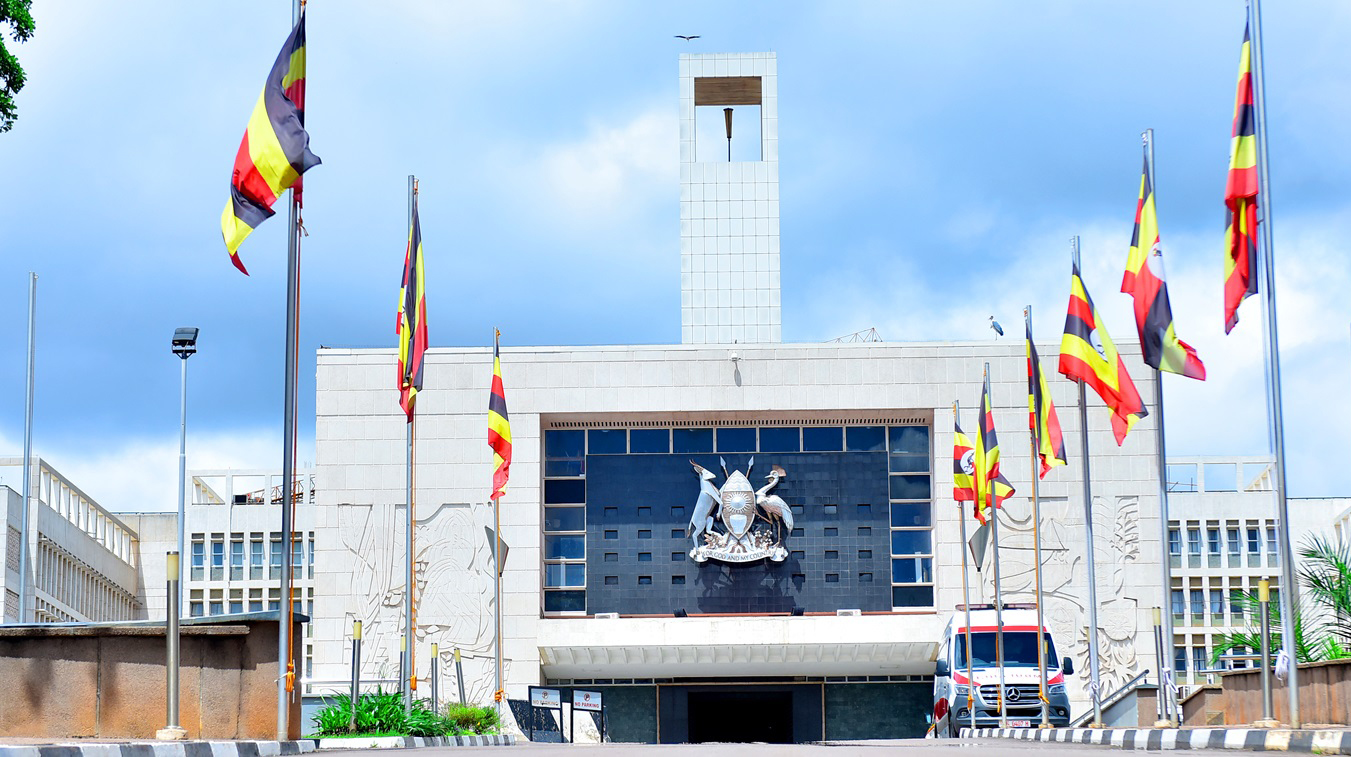
As I look ahead to taking oath in the 12th Parliament, I do so not as a spectator, but as a servant—committed to delivering results for the people of Kibale County and Uganda at large.
The people who entrusted me with their vote deserve not theatrics, but results. They deserve a leader who listens before he speaks, learns before he acts, and serves before he seeks praise.
Kyankwanzi has sharpened that understanding in me.
As I conclude, I am reminded of one final piece of wisdom: *“A leader who does not listen to the drumbeat of his people will soon dance alone.”*
My duty is clear, to listen to the people of Kibale, to carry their aspirations into Parliament, and to ensure that every decision I make reflects their hopes and dreams.
That is the true lesson of Kyankwanzi. And that is the work that begins now.
For God and my Country.
(The author is the Kibale County (Pallisa district) MP-elect | Email: mpkibalecounty@gmail.com)
For those of us entering Parliament for the first time, the retreat provided a crucial foundation in understanding how the National Resistance Movement (NRM) operates — not only as a political party, but also as a governing philosophy. We were guided through its historical mission, policy frameworks, strategic priorities, and ideological anchors.
At the heart of this ideological orientation are the four core principles of the NRM: patriotism, pan-Africanism, social-cconomic transformation, and democracy.
These pillars are not mere slogans; they are practical guides shaping Uganda’s development across sectors such as education, health, finance, social welfare, national sovereignty, and Uganda’s position in the global geopolitical space.
The retreat underscored that without correct ideology, leadership becomes hollow. Vision is indispensable — but it must be a correct vision. And for vision to be correct, it must be grounded in sound ideological understanding.
The history of the NRA/M liberation struggle stands as a powerful reference: a movement anchored on clarity of purpose, discipline, and an unwavering commitment to national transformation.
Listening to President Yoweri Kaguta Museveni, the chairman of our mighty NRM party, was one of the most intellectually enriching aspects of the retreat.
Each time he rose to speak, it felt like attending a masterclass in governance, rich with history, strategy, economic logic, and political foresight.
Like others, I did not listen to President Museveni casually. One listens with a notebook open and mind alert.
At times, his words carried both passion and pain; passion for Uganda’s immense potential and pain at the persistence of challenges such as corruption, poverty, and ideological disorientation.
He spoke not only as a head of state, but as a philosopher and father of the nation, calling upon leaders to love Uganda, love Africa, and dedicate themselves to lifting their people out of poverty while strengthening democratic governance.
As I listened, I realised something profound: leadership is not about being ahead of the people; it is about understanding where they need to go and walking there with them.
That lesson alone was worth the journey to Kyankwanzi.
The President’s wealth creation message resonated deeply with me. For years, he has consistently argued that Uganda’s transformation lies not in dependency, but in productive enterprise — household by household, parish by parish, district by district.
And indeed, he is right.
The transition to a money economy remains the most sustainable antidote to poverty. Leaders were challenged to guide their communities along this path through the ATMS framework: agro-industrialisation, tourism development, mineral development (including oil and gas), and science, technology & innovation.
This framework has already delivered measurable progress. Uganda has significantly reduced extreme poverty and the proportion of households trapped in subsistence production. However, the next phase requires accelerating this transformation and ensuring inclusivity so that every Ugandan participates meaningfully in the money economy.
The concept often referred to as “Musevenomics” became clearer throughout the retreat. It is not a slogan, but a structured development philosophy grounded in production, value addition, self-sufficiency, and strategic state guidance. It emphasises security and stability as prerequisites for development, infrastructure as a catalyst for growth, and economic inclusiveness as a central objective.
In a country where politics can easily be reduced to slogans and sound bites, Kyankwanzi reaffirmed the seriousness of public service.
During the interactive sessions, I had the privilege of raising issues central to my constituency and the nation. I highlighted concerns regarding agricultural extension services, youth unemployment, and Uganda’s positioning in the global economic space.
Our farmers in Kibale County and the wider Pallisa district are hardworking. What they require is not motivation—they already have it.
What they need is targeted support: access to quality agro-inputs, improved extension services, reliable markets, good road networks, and practical knowledge that transforms subsistence farming into a commercial enterprise.
Agricultural extension workers are central to this transformation. Yet many are overstretched, under-trained, and under-facilitated. A farmer cannot harvest miracles from poor guidance. Strengthening this system is essential if agriculture is to drive Uganda’s socio-economic transformation, as it must.
Receiving immediate feedback from the President, with directives issued to ministers and technocrats, was both humbling and encouraging. It reinforced the importance of raising practical issues and pursuing actionable solutions.
Beyond intellectual engagement, the retreat emphasised personal discipline and self-mastery. Early morning physical exercises — beginning as early as 4:45 am — were a daily routine.
Though initially demanding, they proved invaluable in enhancing alertness, mental sharpness, and productivity.
Leadership demands stamina. A healthy body supports a healthy mind.
This experience challenged me to adopt a disciplined lifestyle and to encourage fellow leaders to do the same. Personal transformation is the foundation upon which societal transformation must be built.
The retreat also highlighted discipline, sacrifice, and resilience. The stories of the liberation struggle — of individuals who endured hunger, cold, and danger — reminded us that leadership is not about comfort, but service and sacrifice.
It is in this context that the call to fight corruption was delivered with urgency. Corruption is not merely a governance issue; it is a moral failure that undermines national progress and erodes public trust. Leaders were urged to reject self-aggrandisement and remain focused on the collective good.
Public resources must serve the people.
The visit to the Presidential farm in Ngoma added a practical and deeply personal dimension to these lessons. And if I may confess with a smile, it was both inspiring and refreshingly uncomfortable.
At Ngoma, one quickly realises that the President is not merely preaching wealth creation— he is living it. Every acre, every cow, every fish pond reflects deliberate effort, strategic planning, and disciplined execution.
For many of us, the visit was a wake-up call. It challenged us to confront a simple truth: prosperity does not come from complaining, it comes from organised effort, intentional decisions, and consistent action.
Put lightly, after seeing Ngoma, one begins to suspect that even the cows there understand economics better than some policymakers.
The emphasis on fish farming stood out as particularly transformative. By promoting aquaculture, Uganda can protect wetlands while creating sustainable income streams for households.
In districts like Pallisa, this presents a powerful opportunity for both environmental conservation and economic empowerment.
As another proverb reminds us: “When the rhythm of the drum changes, the dance must also change.” Uganda’s economic rhythm is evolving, and our communities must adapt accordingly.
Kyankwanzi also provided insights into governance systems through engagements with Parliament’s leadership, private sector actors, and senior government officials. These interactions deepened our understanding of how institutions must collaborate for effective service delivery.
Good governance is not an orchestra of soloists — it is a disciplined symphony.
The retreat further addressed issues of national security and sovereignty, including the demystification of tools of violence. Leaders were introduced to basic security concepts, fostering confidence and reinforcing the importance of peace and stability as the foundation of development.
As a professional accountant and teacher by training, I deeply appreciated the structured nature of the retreat. Induction programmes like Kyankwanzi are indispensable; they establish institutional culture, provide clarity of purpose, and equip leaders with the tools necessary for effective governance.
In accounting, one does not balance books by guesswork. In leadership, one should not govern by improvisation.
I commend the NRM Secretariat for organising such a comprehensive and impactful retreat. The programme was intellectually rich, the logistics seamless, and the environment conducive to reflection and learning.
I also commend President Museveni for sustaining this tradition. His commitment to mentoring young leaders is both strategic and patriotic. A nation that fails to prepare its next generation of leaders risks mortgaging its future.
I left Kyankwanzi, carrying with me a renewed sense of duty: to maintain a healthy body and mind, to embrace and promote correct ideology, to fight poverty, to fight corruption, and to defend Uganda’s sovereignty.
Parliament is not a stage for applause lines. It is a chamber where laws shape lives, budgets define destinies, and oversight safeguards democracy.
As I look ahead to taking oath in the 12th Parliament, I do so not as a spectator, but as a servant—committed to delivering results for the people of Kibale County and Uganda at large.
The people who entrusted me with their vote deserve not theatrics, but results. They deserve a leader who listens before he speaks, learns before he acts, and serves before he seeks praise.
Kyankwanzi has sharpened that understanding in me.
As I conclude, I am reminded of one final piece of wisdom: *“A leader who does not listen to the drumbeat of his people will soon dance alone.”*
My duty is clear, to listen to the people of Kibale, to carry their aspirations into Parliament, and to ensure that every decision I make reflects their hopes and dreams.
That is the true lesson of Kyankwanzi. And that is the work that begins now.
For God and my Country.
(The author is the Kibale County (Pallisa district) MP-elect | Email: mpkibalecounty@gmail.com)
____________________________