Reflections on the legacy of Gen Muhoozi Kainerugaba
In recognizing Gen. Muhoozi at 52, we are reminded that leadership is a journey shaped by preparation, tested by responsibility, and defined by service.
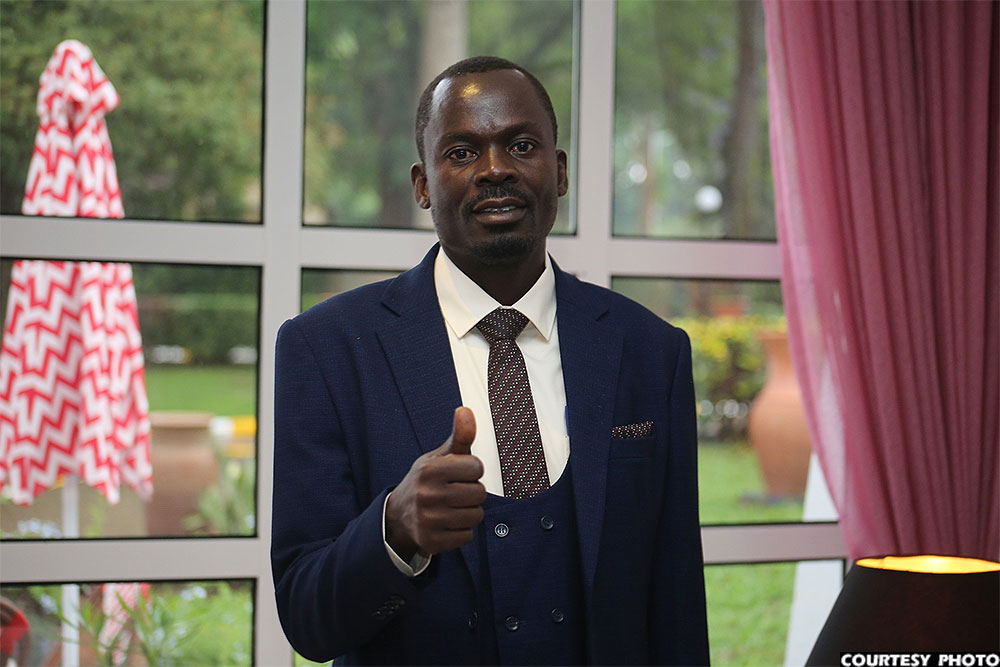
Constantine Okwi is the MP-elect for Kibale County, Pallisa district. (Courtesy photo)
_________________________
✍️ OPINION
On April 23, 2026, I had the privilege of attending the 52nd birthday dinner of Gen. Muhoozi Kainerugaba at Protea Skyz Hotel in Naguru, Kampala.
It was an evening of reflection, gratitude, and quiet revelation. I arrived with a general awareness of the man being celebrated, but I left with a deeper appreciation of a life shaped by discipline, service, and purpose.
Public life often reduces individuals to headlines and assumptions. Yet, there are moments when one is invited to look beyond the surface, to observe the values, influences, and relationships that shape a leader.
That evening offered such a moment. My reflections began with the foundation of family. It is often said that a nation is only as strong as its families, and in this case, the upbringing of Gen. Muhoozi Kainerugaba speaks to deliberate parenting anchored in responsibility and foresight.
President Yoweri Kaguta Museveni and Mama Janet Kataha Museveni, despite committing the prime of their lives to the liberation and transformation of Uganda, did not neglect the duty of raising their children.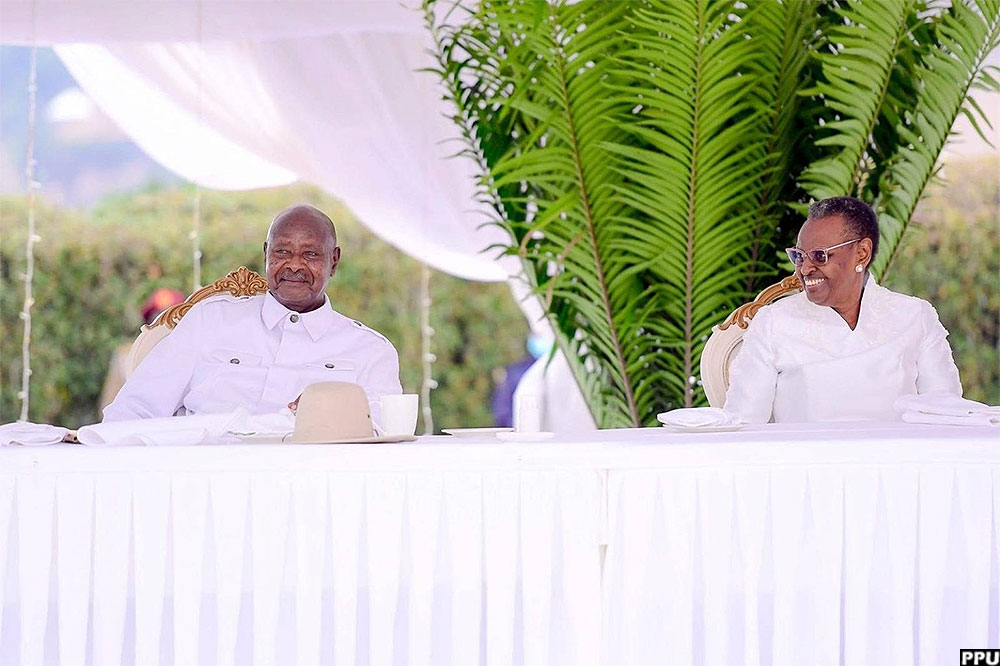
This is another great Musevenism challenge before us, the young leaders of today, who often struggle to strike an effective balance between service and parenting.
From Mzee and Mama Museveni, that balance, between national service and family stewardship, is neither accidental nor easy. It is a conscious choice.
From the interactions and testimonies at the dinner, it was evident that the Museveni family placed emphasis not only on immediate household upbringing but also on strengthening the extended family.
This cultivated cohesion, identity, and a shared sense of purpose. It was equally clear that gratitude, to God and to country, remains central to their outlook.
In leadership, such grounding matters. A leader who understands the value of family often understands the value of society.
On social media platform X, formerly Twitter, President Museveni’s reflections on his son’s journey were particularly instructive. He referred to him as a child "born in resistance, grew up in the resistance, and in various ways, has made a significant contribution to the resistance".
He added that "Gen. Muhoozi has made significant contribution to fighting against corruption in the army and increasing the lethality of UPDF".
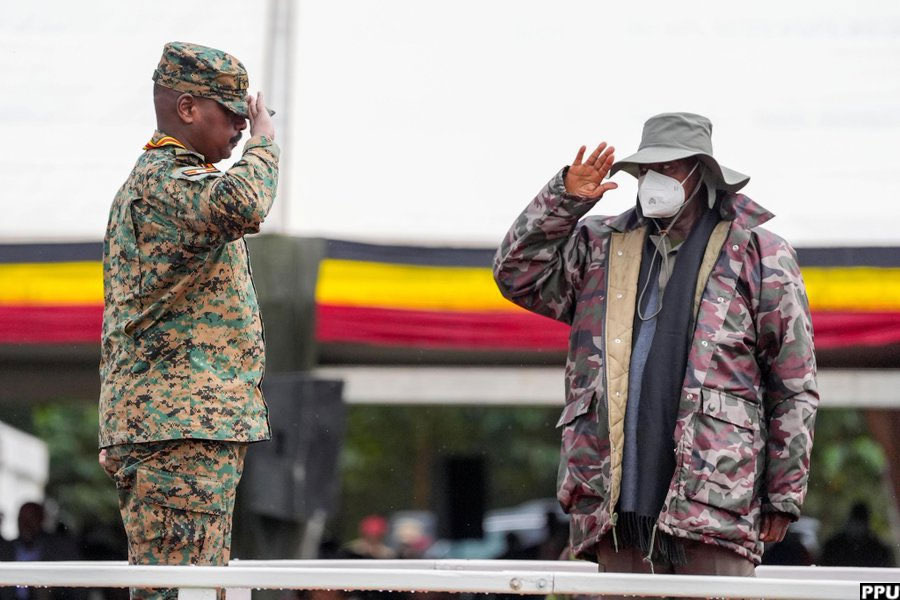
Family accounts during the event point at the fact that at one point, Gen. Muhoozi explored the path of business, even engaging with his uncle, Gen. Salim Saleh.
However, the President guided him towards military service, a decision that would define his trajectory. He enrolled at the Royal Military Academy Sandhurst, one of the world’s most respected military institutions, and from there, his path in service to Uganda was firmly set.
Leadership, as we know, is not merely inherited; it is a conviction that is intentionally cultivated, tested, and refined.
At 52, Gen. Muhoozi’s record reflects years of service at the frontline of Uganda’s security architecture. From northern Uganda to the Karamoja sub-region, and across other parts of the country, he has been part of efforts to consolidate peace and stability.
These are not small contributions. In a region where insecurity can easily reverse development gains, maintaining peace is itself an enduring achievement.
There is a saying in leadership circles that peace is the first infrastructure. Without it, roads, schools, and markets lose their meaning. With it, nations prosper.
Uganda’s journey from instability to relative peace has been deliberate, and it has required the contribution of many actors across generations. In this regard, Gen. Muhoozi’s role within the Uganda People’s Defence Forces reflects continuity in the commitment to national security.
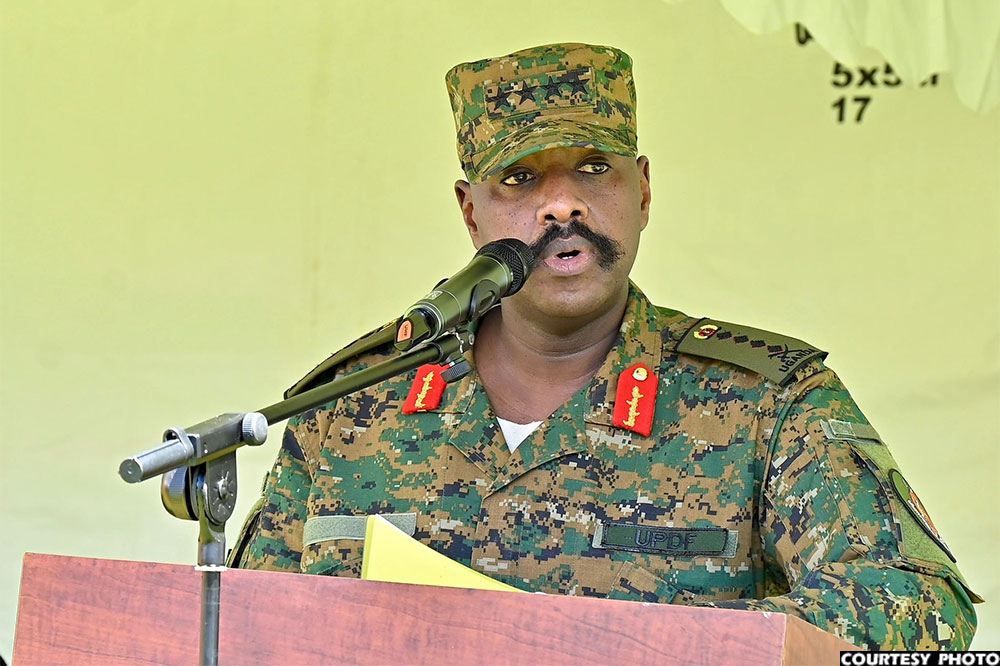
Equally important is the evolution of the military itself. The modern defence force is not only a guarantor of territorial integrity; it is also an institution engaged in engineering, disaster response, and regional stability efforts.
The transformation of the army into a multi-dimensional force capable of contributing to national development is part of a broader strategic vision, one that Gen. Muhoozi has been associated with.
Service, in this context, is not ceremonial. It is practical, often demanding, and sometimes undertaken away from the public eye.
The question of leadership succession has, from time to time, featured in public discourse. Such discussions are natural in any evolving democracy. However, succession, in its most meaningful sense, is not an event; it is a process. It is built on values, preparation, and the ability to serve.
A society that desires stability must invest in preparing its future leaders, not merely to hold office, but to understand the weight of responsibility that comes with it.
From what I observed, the narrative around Gen. Muhoozi is less about entitlement and more about preparedness. The emphasis on discipline, training, and service suggests a model where leadership is earned through contribution.
In political thought, there is a well-known principle: leaders are temporary, but institutions must endure. The strength of Uganda’s future will depend not only on individuals but on the resilience of its institutions, its military, its civil service, and its democratic structures.
At the same time, individuals matter. They embody values, inspire confidence, and, in moments of uncertainty, provide direction.
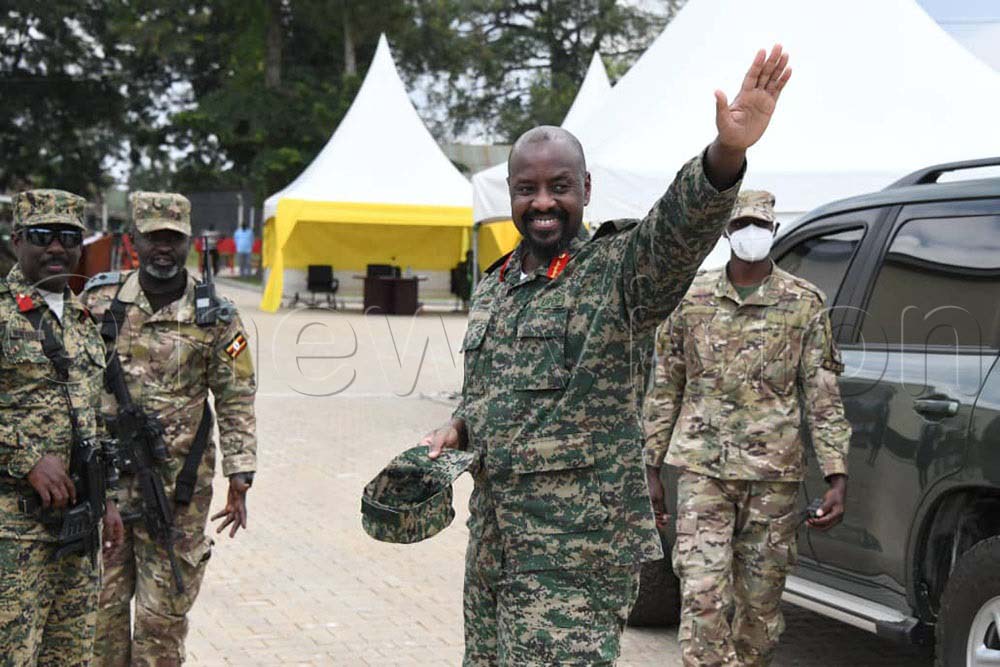
The evening in Naguru was not merely a celebration of age.
It was a recognition of service and a reflection on continuity. It reminded us that leadership is a relay, not a sprint. One generation lays the foundation; another builds upon it.
President Museveni’s legacy in securing Uganda’s peace, fostering socio-economic transformation, and promoting Pan-African ideals is well documented. That legacy places him firmly within the historical narrative of Uganda’s progress.
The emergence of leaders shaped within that context signals continuity, an ongoing commitment to the principles that have guided the country thus far.
For those of us entering public service, these reflections are not abstract. They are instructive.
Leadership demands humility, discipline, and an unwavering commitment to the people. It calls for the courage to make difficult decisions and the wisdom to prioritize the common good. Above all, it requires an understanding that public office is not a platform for personal gain, but a duty to serve.
As I left the dinner that evening, I carried with me a renewed appreciation of these values. To stand on the right side of history is not about proximity to power; it is about alignment with purpose — serving one’s country with integrity and contributing to its stability and progress.
In recognizing Gen. Muhoozi at 52, we are reminded that leadership is a journey shaped by preparation, tested by responsibility, and defined by service.
And in that journey, Uganda’s enduring pillars remain clear: peace, security, and the collective will to move forward together.
Happy 52nd birthday, Gen. Muhoozi Kainerugaba!
________________________
(The author, Constantine Okwi (pictured below), is MP-elect for Kibale County, Pallisa district | mpkibalecounty@gmail.com | +256 772192781)