
Blogs
Las Vegas experience: Why Uganda must regulate gaming like the big leagues
Across all sessions we attended in Las Vegas, one theme stood out: today’s regulator is no longer just a rule writer, but an active player in this fast growing industry.
Kenneth Kitariko is the Board Chairman of the National Lotteries Gaming and Regulatory. (Photo source: LinkedIn/Kenneth Kitariko)
By: Admin ., Journalist @New Vision
_____________________
✍️🏾 OPINION
By Kenneth Kitariko
_________________________
By the end of 2024, Uganda’s regulated gaming sector was no longer a side note in the economy. Annual gaming revenue had climbed from about sh50.6 billion in 2019/20 to roughly sh323 billion by 2024/25, while total amounts staked rose to over sh8 trillion over the same period. 
In just a few years, gaming has grown fast, moving from the edges of informal entertainment into the mainstream.
It was with those numbers in mind that we stepped off the plane in the US city of Las Vegas after 20 hours in the air on Ethiopian Airlines, with a stop in Abidjan (Ivory Coast). The spring air was nippy and dry, far from the heat Las Vegas is known for later in the year. My watch insisted it was still day, but my body was somewhere between Addis and the Atlantic.
The slot machines at the airport chimed into our consciousness, neon lights winked, and billboards for shows and jackpots shouted for attention. This was ‘THE’ gaming hub larger than life, and we had come, not as tourists chasing a win, but as regulators on a learning mission.
Behind the spectacle, we wanted to understand the systems, data, culture, and partnerships that keep an entertainment engine of this scale within agreed boundaries.
Beside me, board member ACP Paul Mark Odong and our senior manager of licensing, Alicia Atukunda, wore that same dazed but curious look of exhaustion and adrenaline. Our mission, however, was not sentimental. We had come to see, at close range, how a mature gaming jurisdiction aligns rapid commercial growth with disciplined oversight and player protection.
Our first engagement set a more grounded tone for the days ahead: a visit to the Gaming Labs International (GLI) testing labs (pictured below), where we saw how gaming machines and software are rigorously tested, audited, and certified before entering the market.
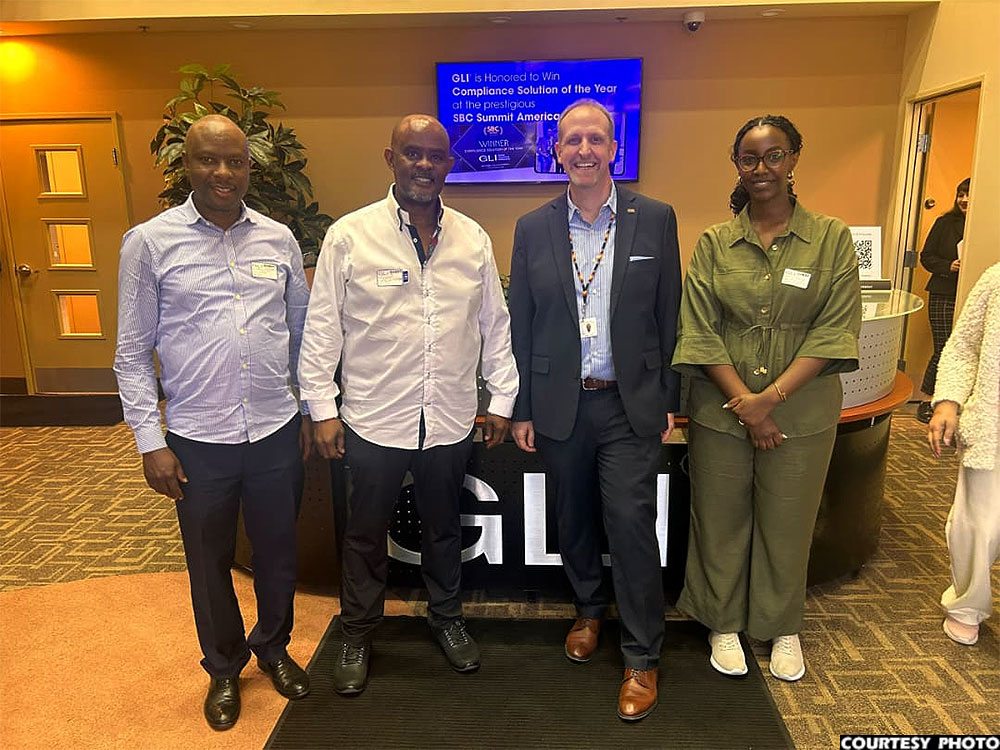
The writer, Kitariko (2ndL), was accompanied by board member ACP Paul Mark Odong (L) and senior manager of licensing Alicia Atukunda (R)
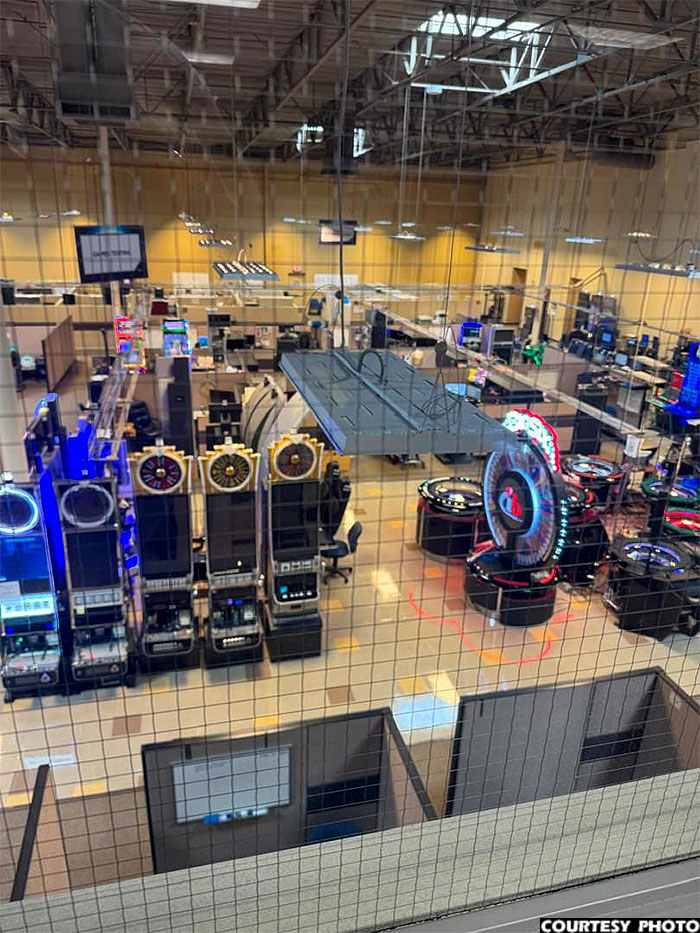
It was also a reminder of why Uganda adopted these standards: not as a formality, but as a deliberate safeguard to protect the integrity of the games and reinforce public confidence in a growing, technology-driven sector.
Before the conference began, we made our first stop at the Las Vegas Mob Museum in the downtown district.
The stories from the birth of the mob in poor immigrant neighbourhoods to the Kosher Nostra, Harlem’s Madame Queen, and the first public enemy, were a reminder that the city’s glittering gaming economy was built in constant tension with organized crime, corruption, and vice.
The long, messy battle to regulate it, legislators who looked away, sheriffs and mayors who were compromised, and citizens who eventually demanded that the state reclaim control. For a regulator from Uganda, it highlighted how the rise of illegal gaming, if not addressed early, can quickly grow beyond control and leave long term challenges for both regulators and the public.
The roundtable sessions began where one panel explored what it means to reload lotteries in a digital age.
Lotteries are no longer static, paper-based institutions. They are evolving into dynamic, multi-channel platforms, competing with the broader digital entertainment ecosystem. The most successful jurisdictions are those that treat lotteries as products that must continuously innovate, while remaining anchored in public trust and regulatory discipline.
Another session, From Locker Room to Sportsbook, captured a shift that is particularly relevant for us. The convergence between sport, media, and betting is no longer theoretical; it is operational. The lesson was sobering: if the regulator does not move with the market, the market simply moves without the regulator. Informality does not disappear; it scales.
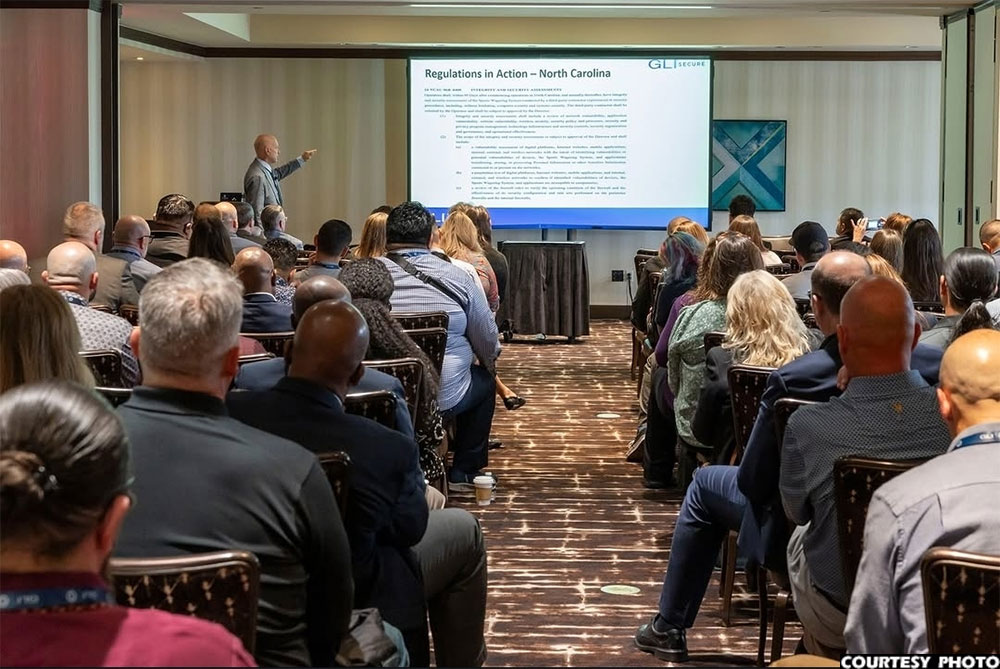
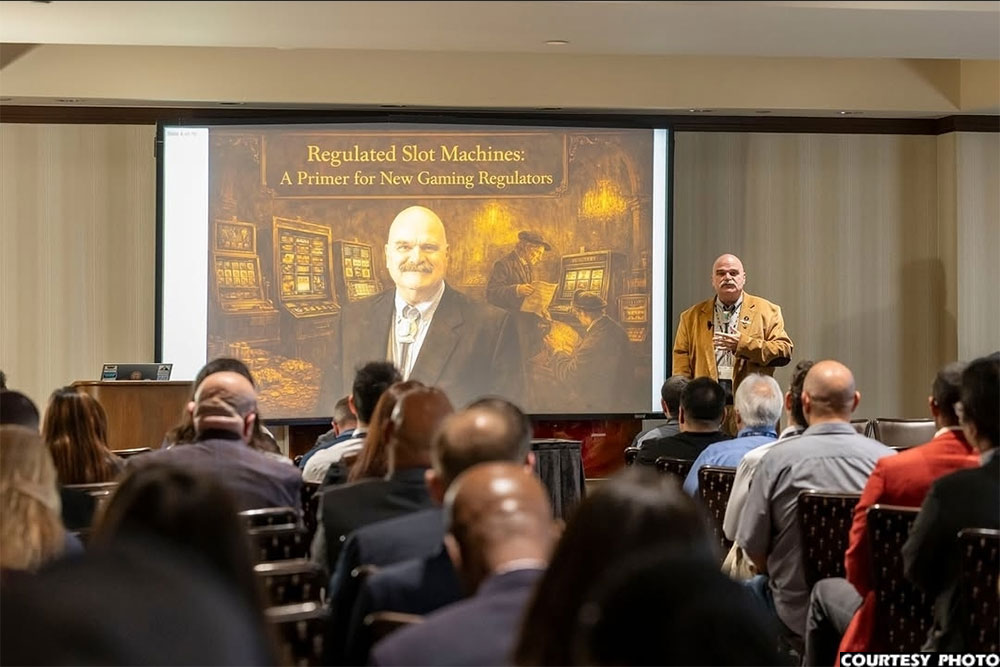
A related concern discussed was match fixing, where games are influenced by money or pressure behind the scenes.
The problem isn’t just the big scandals, but the slow normalization of behaviour that bends results. Uganda is not immune to this. These risks already exist and, if ignored, can take root and spread. When people start doubting whether a game is fair, the harm goes far beyond betting, it chips away at trust in sports itself and the belief that winners earn their victories honestly.
The most thought-provoking discussions came from the session on digital interventions for at-risk gamblers. Here, the conversation shifted from systems and revenue to punters. Technology is now being used not just for tracking play, but to predict harmful behaviour and intervene. Tools developed by operators can flag patterns frequency, spend escalation, and time of play, then trigger interventions ranging from soft nudges to enforced breaks and referrals to support.
One of the biggest takeaways was prediction markets, which often don’t look like gambling. It is usually sold as “expert tips” or forecasting by self-styled tipsters who promise certainty where none exists. This makes it easy to accept, harder to regulate, and more appealing to younger people who may not see the risks. Yet, the harm can build just as quickly as with traditional betting, drawing people deeper before they realize what is happening.
The implication is clear: responsible gaming is no longer a policy statement but a data-driven obligation. It challenges regulators to go beyond requiring systems and to truly understand, audit and verify how they work, how risks are flagged, results are measured and player privacy is protected.
Our meetings with MGM Resorts added another layer to this picture. Their Game Sense programme, which integrates responsible gaming messages across hotel rooms, digital screens, ATMs, apps, billboards, and reward platforms, showed how consistent communication can normalize safer play without dampening entertainment.
Their partnerships with behavioural health and lived experience illustrated a full circle approach, from awareness and education to early detection, to direct support for those who need it. This was responsible gaming not as a slogan on a poster, but as a set of living systems, contracts, and practices.
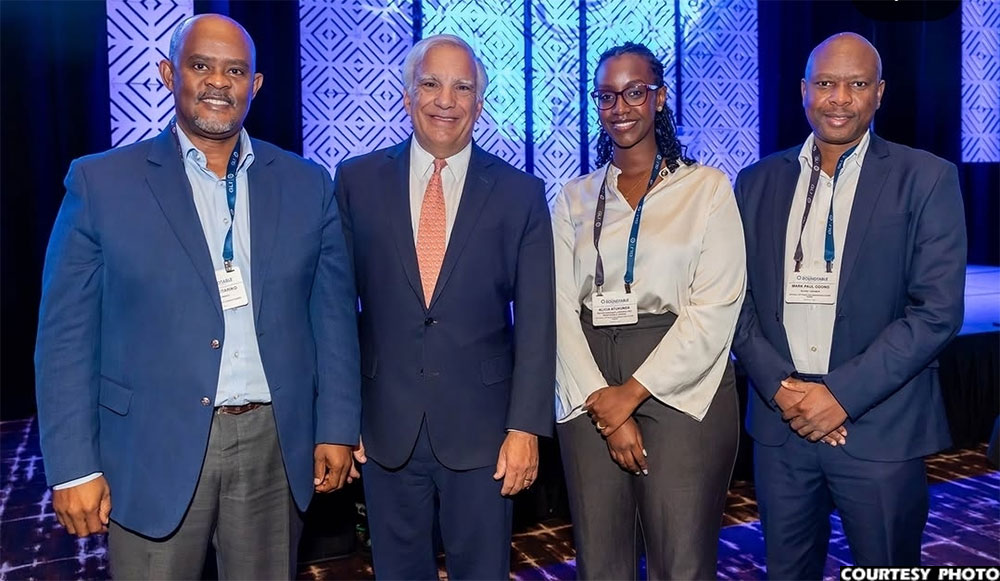
Across all sessions, one theme stood out: today’s regulator is no longer just a rule writer, but an active player in this fast-growing industry.
With tools like the central monitoring system, cashless payment infrastructure, and behavioural data, effectiveness is judged less by licenses issued and more by how quickly risks are seen, addressed fairly, and explained clearly. This is where NLGRB’s mandate comes into focus, not just to license operators, but to protect fairness, integrity, revenues, and players across the entire gaming ecosystem.
Importantly, these conversations also underscored the value of global alignment. Through engagement with bodies, including the Gaming Regulators Africa Forum and International Association of Gaming Regulators, regulators are increasingly sharing standards, intelligence, and best practice across jurisdictions.
Gaming, by its nature, is cross-border. Technology, operators, and even risks do not respect national boundaries. Participation in such platforms ensures that regulators are not operating in isolation but are part of a collective effort to raise standards, respond to emerging risks, and adopt proven regulatory approaches.
For Uganda, the relevance is immediate. The building blocks exist — central monitoring, licensing frameworks, growing digital adoption — but they remain partially connected.
The lesson from Las Vegas is not that we must replicate, but that we must integrate, sequence, and enforce with intent. We do not need to recreate the Strip; we need to ensure that our own, more modest market is governed with the same seriousness of purpose.
As we reflected at the end of the sessions, the contrast with that first moment at the airport was striking. The noise, the lights, the spectacle, they are the surface. Beneath it lies a deeply structured, technology-enabled and highly disciplined system of control.
And that, perhaps, is the real takeaway: gaming does not become modern by looking advanced; it becomes modern by being governed that way.
(The writer is the Board Chairman of the National Lotteries Gaming and Regulatory)