Justice priced out: Why Sebei needs own high court now
When formal justice systems are distant and expensive, communities are left vulnerable to alternative forms of dispute resolution, some of which are neither lawful nor just.
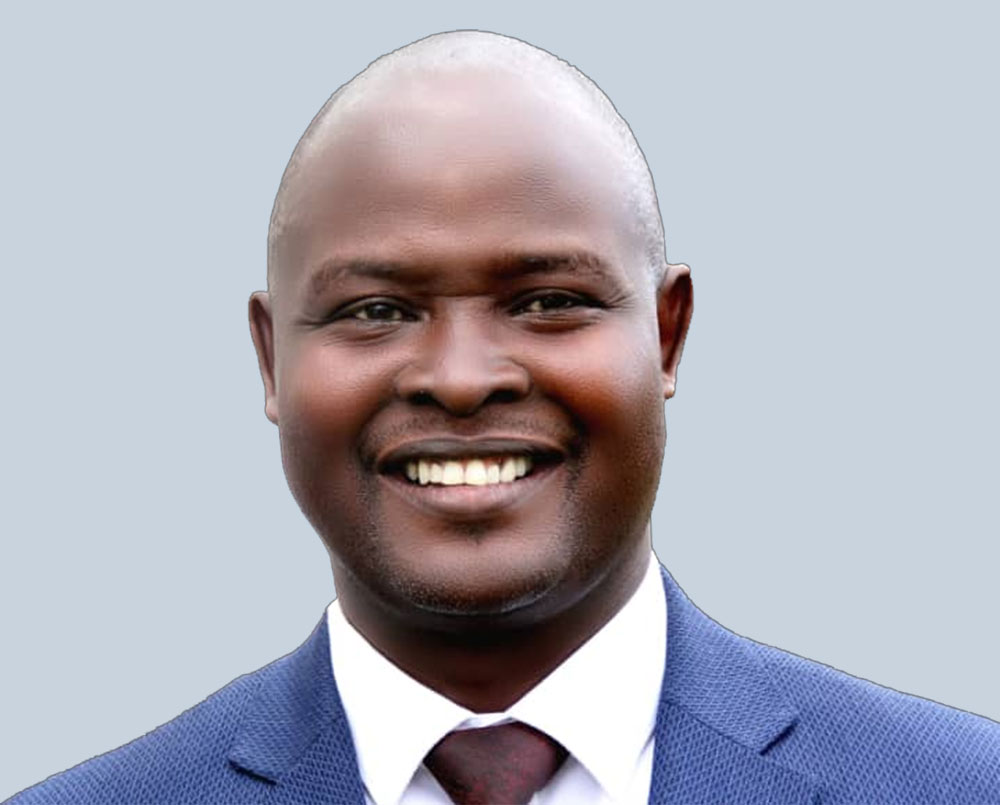
Patrick Solimo Kitiyo is a former chief magistrate and currently MP-elect for Kapchorwa Municipality in Kapchorwa district. (Courtesy photo)
_________________________
✍️ OPINION
For many residents of Sebei sub-region, the search for justice begins with a long and costly journey to Mbale district, and too often ends in frustration.
Across Kapchorwa, Kween, and Bukwo districts, what should be a guaranteed constitutional right has steadily become an expensive undertaking.
Today, all serious civil and criminal matters from Sebei are handled in Mbale under the Bugisu sub-region. While this arrangement may appear administratively convenient, its human cost is immense, and increasingly indefensible.
Justice, in its truest sense, must be accessible. When it is not, it ceases to be justice and becomes privilege.
From my experience as a judicial officer and now as Member of Parliament-elect for Kapchorwa Municipality, I have seen firsthand how distance can distort justice.
Transporting lawyers, witnesses, complainants, and accused persons to Mbale, often repeatedly, comes with prohibitive costs in transport, accommodation, and upkeep. For ordinary citizens, these are not minor inconveniences; they are insurmountable barriers.
In practical terms, many people are forced to choose between pursuing justice and preserving their livelihoods. Some abandon their cases altogether. Others exhaust their savings, sell property, or fall into debt in pursuit of outcomes that may take years to materialise.
This is not how a justice system should function.
The reality in Sebei today is that access to justice has been priced beyond the reach of many.
When citizens cannot afford to seek legal redress, the principle of equality before the law is fundamentally undermined. Courts are meant to be temples of justice, places where fairness prevails regardless of one’s social or economic standing. But temples must be within reach of the people they serve.
The absence of a high court circuit in Sebei has also had broader social consequences. When formal justice systems are distant and expensive, communities are left vulnerable to alternative forms of dispute resolution, some of which are neither lawful nor just.
Incidents of mob justice, unresolved land conflicts, and prolonged disputes often thrive in such environments. Justice delayed is justice denied, but justice inaccessible is justice abandoned.
Sebei’s situation becomes even more striking when viewed in the national context. Several sub-regions across Uganda already benefit from high court circuits. Teso is served in Soroti and Kumi, Bugisu in Mbale, Bukedi in Tororo, and Karamoja in Moroto.
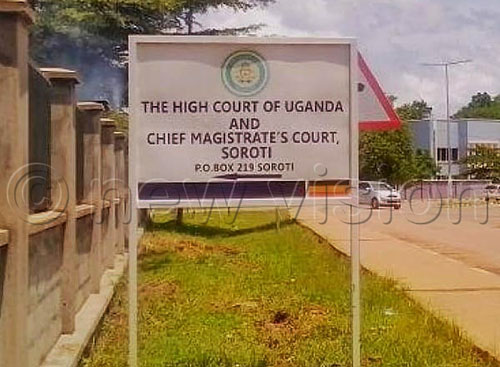
These circuits have significantly improved access to justice, reduced case backlogs, and strengthened public confidence in the legal system.
Sebei, however, remains underserved. Yet the demand for justice services in this region is neither theoretical nor minimal. A substantial proportion of cases handled at the Mbale High Court originate from Sebei.
This alone presents a compelling case for decentralisation. Establishing a high court circuit here would not only ease the burden on Mbale, but also bring justice closer to the people who need it most.
The geography of Sebei further compounds the challenge. For residents of Bukwo, the journey to Mbale spans approximately 150 kilometres — often along difficult terrain. For a single court appearance, the cost is already high. Multiply that by several hearings, and the burden becomes overwhelming.
In such circumstances, both complainants and accused persons suffer. Cases are delayed, witnesses fail to attend, and the wheels of justice grind slowly, if at all. The result is a system that struggles to deliver timely and meaningful outcomes.
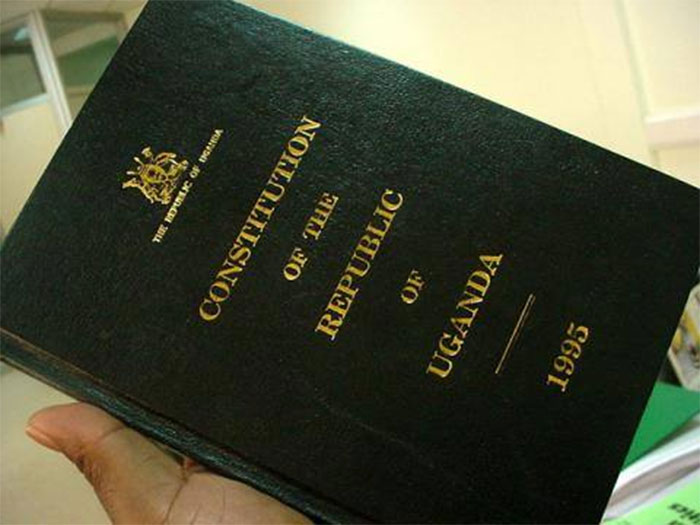
Article 138 of the Constitution of Uganda provides for the High Court to have unlimited original jurisdiction and to sit in various locations to hear cases. This provision was designed precisely to address challenges of access and case backlog. It recognises that justice must not be centralised to the point of exclusion.
The case for a high court circuit in Sebei is therefore not only practical — it is constitutional.
My years of service as a chief magistrate in districts such as Rakai, Adjumani, Hoima, Luwero, Mbale, Sironko, and Butambala taught me a simple but enduring lesson: the closer justice is to the people, the more harmony a society enjoys.
When courts are accessible, disputes are resolved more efficiently, trust in institutions grows, and communities are more stable.
Conversely, when justice is distant, grievances fester and confidence in the system erodes.
The Government has, over the years, made commendable strides in strengthening Uganda’s justice sector. However, the work is not yet complete.
Regions like Sebei must not be left behind in this progress. Access to justice is not a luxury to be extended selectively; it is a fundamental right that must be guaranteed to all citizens, regardless of geography.
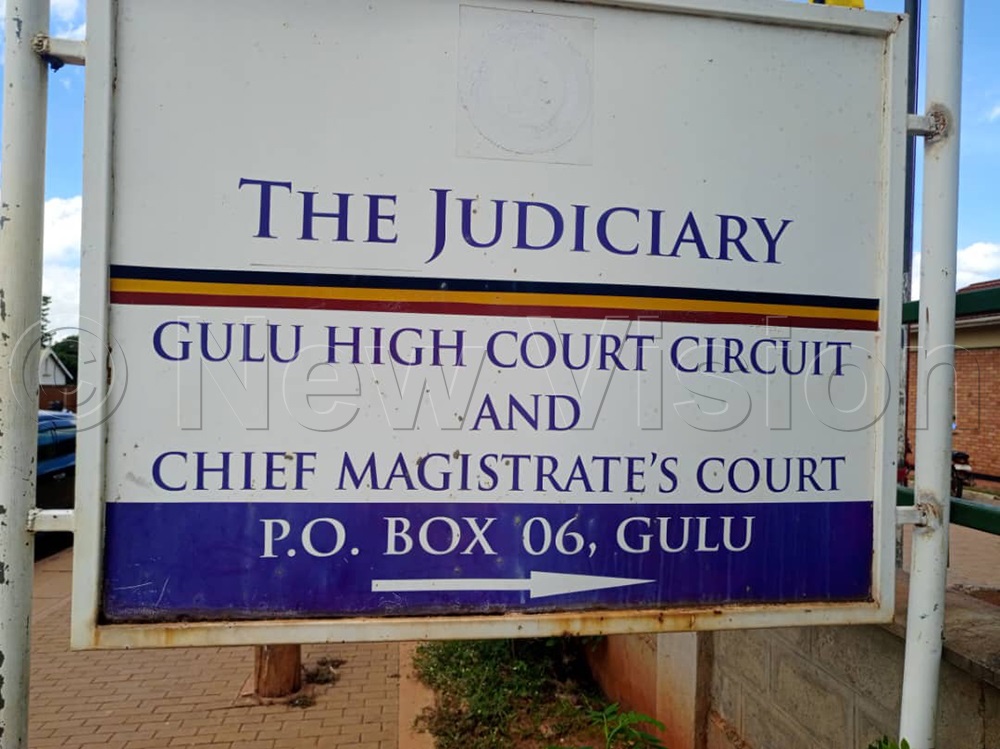
Encouragingly, there are signs that this concern is being recognised at the highest levels. The Judiciary has indicated intentions to establish high court circuits in every sub-region as part of efforts to reduce backlog and enhance service delivery. This is a welcome development.
But for the people of Sebei, the urgency cannot be overstated.
Every day that passes without a high court circuit in the region is another day when justice remains out of reach for many. It is another day when disputes linger unresolved, when livelihoods are disrupted, and when confidence in the system is tested.
The establishment of a high court circuit in Sebei would be transformative. It would significantly reduce the cost of litigation, expedite case handling, and restore faith in the justice system. It would affirm the principle that justice is not reserved for the few, but available to all.
More importantly, it would send a powerful message: that the state is responsive to the needs of its people and committed to upholding their rights.
As leaders, we must recognise that development is not measured only in roads, schools, or markets. It is also measured in the strength and accessibility of our institutions. A society that cannot guarantee justice to its citizens cannot claim to be fully developed.
The number of people in Sebei has significantly grown, and the number of court cases has surged too.
It is time to bring the High Court closer to them. And I know that my NRM government, led by President Yoweri Kaguta Museveni, will soon, rather than later, grant this long-awaited essential facility to Sebei to ensure that justice is locally found and readily dispensed.
(The author, Patrick Solimo Kitiyo (pictured below), is a former chief magistrate and currently MP-elect for Kapchorwa Municipality, Kapchorwa district)