
Investing in pastures, a growing opportunity for farmers
Allan Patrick Iga of Valeria Farm observes that demand for pasture is high, but supply is lacking.
Allan Patrick Iga of Valeria Farm, Mukono showing the trainees how they can package their pasture seeds for commercial purposes. (Photo by Maureen Nakatudde)
________________
The National Livestock Census of 2021 states that there is high demand for animals such as cattle and goats, creating a need for feeds estimated at 23.8 million metric tonnes. Despite this demand, there is a production deficit of about 50 - 70% in feeds.
Allan Patrick Iga of Valeria Farm observes that demand for pasture is high, but supply is lacking. He attributes this to an ever-increasing population and poor agricultural practices.
“The population is actually encroaching on the natural grasses and the rangelands,” he notes. “So, the rangelands are shrinking, yet the animal population is increasing.”
Additionally, changes in lifestyle have led to increased demand for animal products such as meat, milk and cheese. Because there is demand for animal by-products, there should be an increase in livestock numbers. For that to happen, Iga explains, farmers must be willing to invest in quality pasture.
Iga says farmers should not only aim to meet the demand for pasture, but also create employment for the youth. He explains that farmers can do this by concentrating on producing fodder and selling it fresh. They can also preserve and package it.
Another way to invest in pasture is through seed production. People with idle land can rent it out for pasture growth. In addition, landowners can allow others to graze on their land in exchange for a fee. Farmers can also invest in pasture and plan to sell it in the form of silage.
“Silage is a form of feed that is fermented and kept for a longer time,” Iga explains.
Some of the pastures farmers are encouraged to take venture in.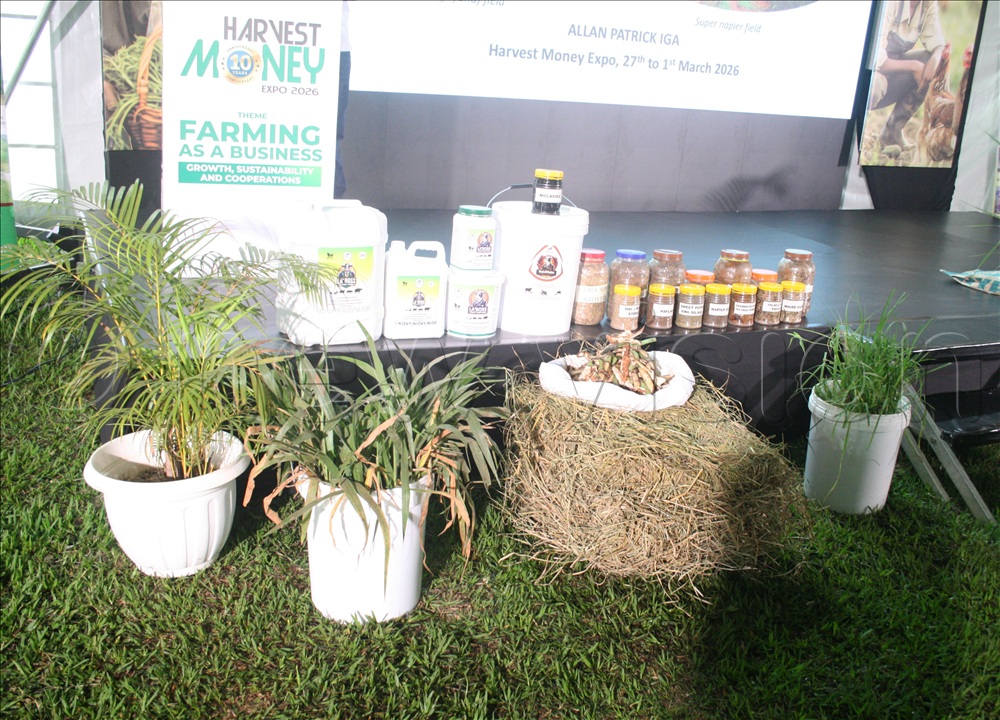
While facilitating the session on growing pastures at the Harvest Money Expo, Iga advised farmers to ensure their animals do not suffer during the dry season. They should take advantage of the rainy season, when there is a bumper harvest, to store pasture as silage, preserve it and use it during dry periods.
There are farmers who concentrate solely on keeping animals and leave pasture production to others. Grass can also be harvested and turned into hay by drying it and reducing its moisture content. Conversely, farmers can grow their own pasture.
Iga says they can select any type that grows easily and sell it fresh, depending on the size of their land.
He also notes that farmers can focus on planting pasture and harvesting seed for sale.
“You can select any pasture that has demand, produce seeds, package them and sell them,” he says. “These things have a market, but you cannot do them in a vacuum.”
Although pasture is in high demand, Iga observes that no one can work alone. He encourages farmers to associate with others by joining WhatsApp groups and local associations that can connect them to markets.
Before embarking on pasture investment, Iga advises farmers to consult experts, who can guide them on the best varieties to grow and how to access reliable markets.