
How solar irrigation is transforming rural farming in eastern Uganda
Tonny Opio, a tomato farmer from Amagoro ward in Usukuru town council, West Budama, says he can now grow tomatoes throughout the year.
The solar-powered irrigation scheme has changed the fortunes of farmers, enabling them to grow crops whenever they choose.. (Photos by Ibrahim Ruhweza)
________________
For years, farmers in parts of eastern Uganda have depended entirely on rainfall, planting only when the clouds gathered and hoping the seasons would not fail them.
In areas such as Katakwi, Kumi and surrounding districts, climate change made this dependency even more devastating, with prolonged dry spells wiping out gardens and leaving communities vulnerable.
Recently, however, this pattern has begun to shift. In places once defined by drought, green rows of crops now flourish, and farmers tend their gardens with a confidence they never had before.
The change is driven by solar-powered irrigation schemes, which have quietly moved communities away from rain-dependent farming to reliable, all-season production.
Instead of waiting for the weather to determine their harvests, farmers now switch on a pump, connect their pipes, and turn sunlight into a steady supply of water. It is a simple innovation with a profound impact, transforming daily routines, harvest yields and long-term prospects.
In Ocelakwenyi village, Kapajuni subcounty in Katakwi district, Silver Obatel recalls the time when water for crops was scarce and gardens routinely dried out. He feared the situation would only worsen.
To his relief, the solar-powered irrigation scheme has changed the fortunes of farmers, enabling them to grow crops whenever they choose.
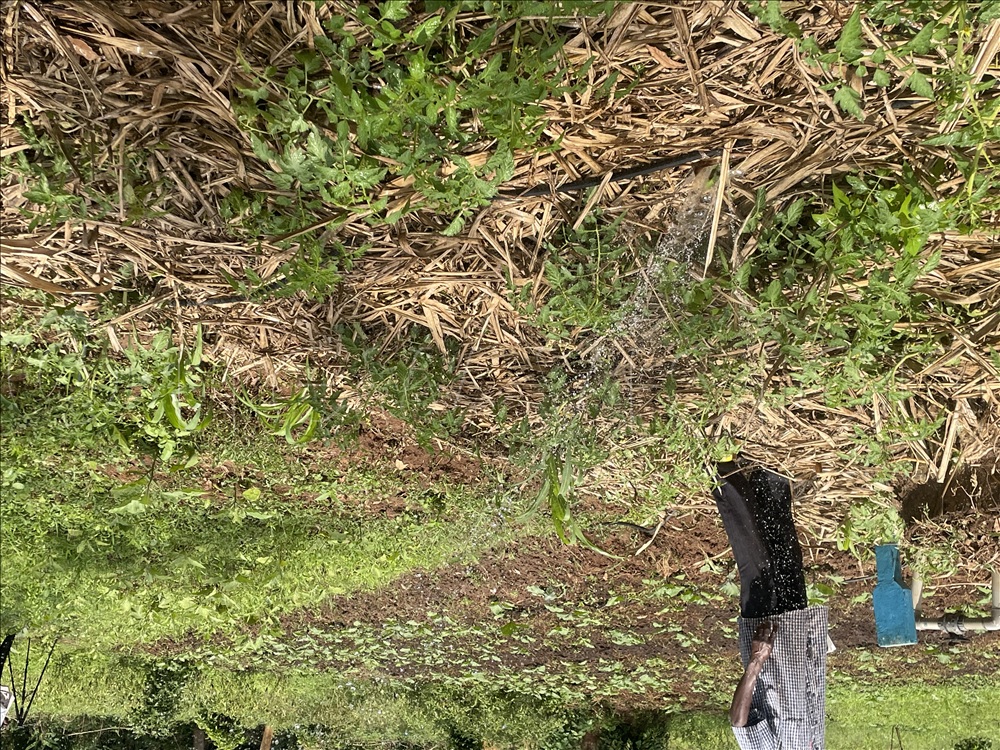
The Ocelakwenyi solar-powered irrigation system has two reservoirs and can pump 36 cubic metres of water per hour, enough to supply five hectares per day.
The scheme was commissioned on October 21, 2025, by the Ministry of Water and Environment.
Tonny Opio, a tomato farmer from Amagoro ward in Usukuru town council, West Budama, says he can now grow tomatoes throughout the year. Before the scheme, he grew yams and earned only sh3m annually from the Kenyan market. With irrigation, he now earns more than sh7m per season.
With reliable water, many farmers report signs of improved food security, noting that their children are now able to enjoy a more balanced diet.
In her tomato garden, 38-year-old mother of two Sylvia Akello smiles as she remembers how difficult life used to be. She never imagined a time when watering her garden would be as simple as flipping a switch.
Patrick Owere, chairman of the Gule B Ligaga farm in Tororo district, says farmers’ livelihoods are steadily improving. Many have been able to build houses, buy livestock and send their children to better schools.
In 2017, Owere borrowed sh2m but failed to repay it and ended up selling his only two bulls. After joining the farming group, his fortunes turned. In 2024, his first harvest brought in sh3.5m.
Similarly, widow Margret Onyango has transformed her life through farming. Once without hope, she now grows green peppers. Her first season earned her sh700,000, and she has since built a three-bedroom house. She is among the many farmers who have prospered since the scheme was introduced in her area.
In Luuka district, Patrick Mpiyanzibu says sugarcane farming had kept many families in poverty. Their situation changed when the government, through the Ministry of Water and Environment, introduced a solar-powered irrigation system.
Fellow farmer Shaban Kifuba has since shifted from sugarcane to eggplant farming, enabling him to send his two children to school and construct a permanent house. He says his family now enjoys sufficient food and an improved standard of living.
According to Noel Muhangi, head of public relations at the Ministry of Water and Environment, irrigation farming is rapidly becoming one of Uganda’s strongest engines of rural transformation.
He says the government’s investment in solar-powered irrigation is keeping farmers productive throughout the year and reshaping the rural economy.
Across districts such as Katakwi, Tororo, Bukedea, Luuka and Kamuli, farmers who once relied completely on unpredictable rainfall are now producing crops season after season.
Formerly barren fields now stay green throughout the year, enabling communities to grow vegetables, fruits and commercial crops. This shift has boosted food production, strengthened food security and reduced the risk of famine in vulnerable areas.
Muhangi notes that farmers are also earning more. Steady harvests have created steady incomes, allowing households to invest in livestock, expand their acreage and diversify their crops.
In communities with irrigation schemes, land values have risen, signalling rapid local development. Irrigation is helping families move away from subsistence farming and focus on more productive livelihoods.
The ministry has deployed irrigation support officers across all schemes to train farmers in seed selection, suitable crop varieties, water management and soil conservation. This technical support is increasing productivity in priority sectors such as coffee, dairy fodder and high-value horticulture.
The result, he says, is an emerging class of rural commercial farmers ready to supply regional and international markets.|
All irrigation projects are powered by solar technology, ensuring consistent water access while reducing pressure on the environment. Muhangi says this approach supports climate-smart agriculture and protects farmers from the effects of climate change.
With year-round farming, rural areas are experiencing new employment opportunities. Young people are finding work in farming, transport, supply chains and produce markets. Families that once struggled through long dry seasons are now earning steady incomes and building resilience.
Muhangi urges Ugandans to take ownership of the irrigation schemes, emphasising proper maintenance, community cooperation and responsible water use.
By embracing these government initiatives, he says, farmers can safeguard their livelihoods, increase their incomes and contribute to Uganda’s wider economic transformation.