
Agric. & Environment
Govt hands over vehicles to fix farmer service delivery crisis
As Uganda pushes to modernise its agricultural sector, the government on April 21 handed over a fleet of mobility equipment to 69 districts under the Uganda Climate Smart Agricultural Transformation Project (UCSATP).
Govt hands over vehicles to fix farmer service delivery crisis
By: Jackie Nalubwama, Journalist @New Vision
___________________
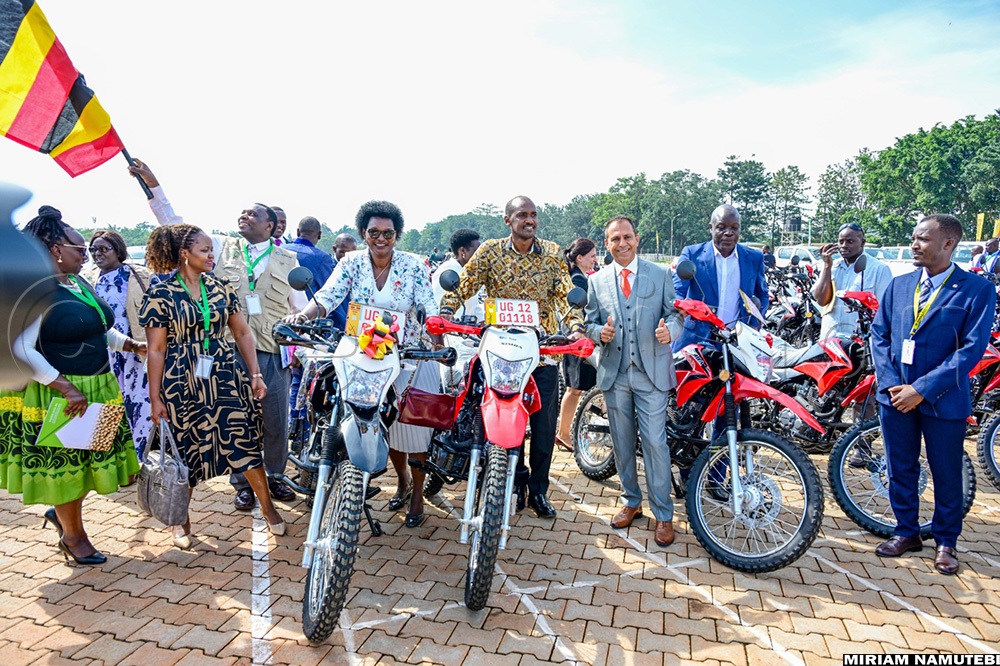
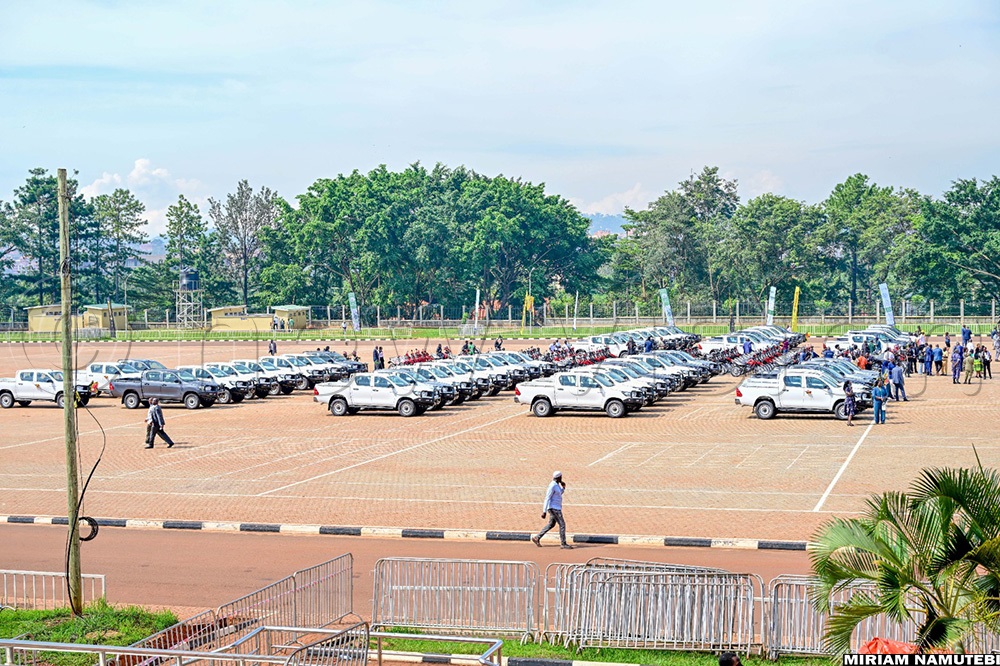
At Kololo Ceremonial Grounds, rows of newly branded vehicles and motorcycles stood lined up, ready to finally reach the farmer.
As Uganda pushes to modernise its agricultural sector, the government on April 21 handed over a fleet of mobility equipment to 69 districts under the Uganda Climate Smart Agricultural Transformation Project (UCSATP). The move, officials say, is meant to close one of the most persistent gaps in the sector, last-mile service delivery.
Presiding over the ceremony, Vice President Jessica Alupo framed the handover as more than a logistical upgrade. It was, she said, a turning point in how government support reaches rural communities.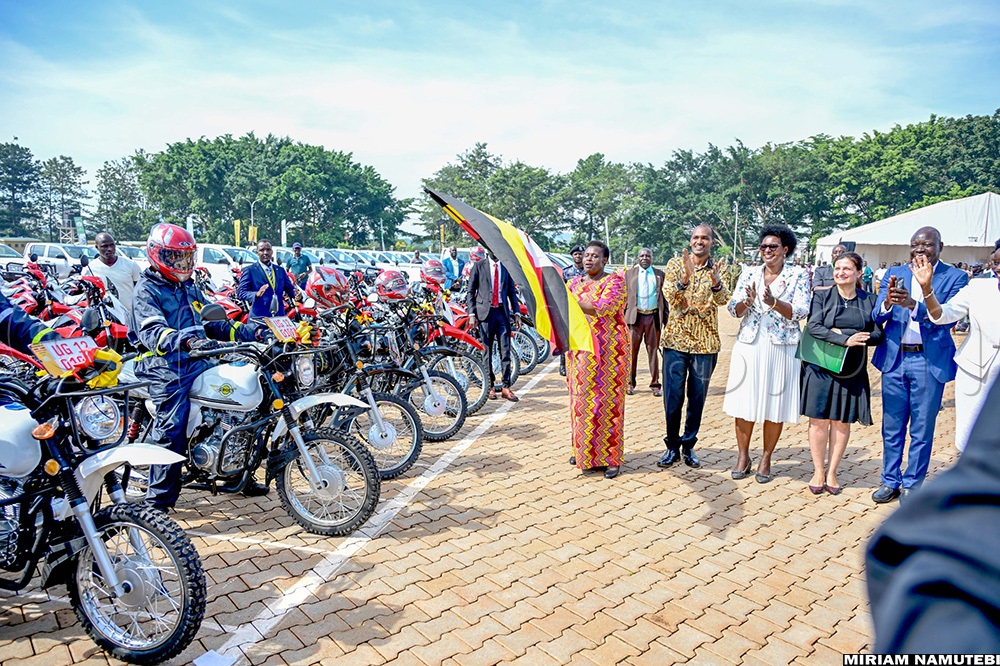
“These vehicles and motorcycles are key tools in strengthening our capacity to deliver services to farmers, improving implementation efficiency, and accelerating Uganda’s journey towards climate-smart agricultural transformation,” she said, according to a Uganda Media Centre press release dated April 21.
For years, extension workers, the frontline link between government programmes and farmers, have struggled with limited mobility. In many districts, officers are expected to serve vast rural areas with little or no transport, making consistent engagement nearly impossible.
The new fleet is intended to change that.
“For a long time, limited mobility has constrained last-mile service delivery,” the vice president said. “These vehicles and motorcycles will now enable our extension staff to reach farmers more efficiently, provide timely technical support, strengthen monitoring, and enhance accountability”.
Behind the ceremony lies a much larger investment. The Permanent Secretary, Maj. Gen. (Rtd) David Kasura Kyomukama, overseeing the project, described UCSATP as a “system-transforming intervention,” backed by a $354 million financing package targeting 3.9 million direct beneficiaries across 69 districts, including refugee-hosting communities. The goal is to improve productivity, strengthen market access, and build resilience across Uganda’s agricultural value chains.
That ambition reflects the central role agriculture continues to play in Uganda’s economy. More than 68 percent of the population depends on the sector for their livelihoods. Yet the challenges remain deeply rooted, low productivity, limited access to quality inputs, weak extension systems, and increasing climate shocks.
The project is designed to address those constraints in a coordinated way.
It supports climate-smart research, promotes improved seeds and breeds, and expands access to inputs through an e-voucher system where farmers contribute 20 percent of the cost. It also invests in mechanisation, irrigation, livestock development, and market infrastructure, areas long identified as critical bottlenecks.
However, as officials acknowledged, progress depends not only on funding, but execution too.
“This project must deliver results to the farmer, not on paper, but in reality,” Kyomukama said, emphasising that success would be measured by tangible improvements in livelihoods, not the scale of inputs distributed.
That message was directed squarely at district leaders, who are responsible for implementation on the ground.
“You are the engine of this project, closest to the farmer, and central to delivery,” Kyomukama said, urging local authorities to fast-track activities, remove bottlenecks, and ensure timely rollout of interventions.
Alupo echoed the call, stressing accountability in the use of the newly handed-over assets.
“These are public resources entrusted to you to serve our farmers. Let us not look for more excuses not to serve the farmers,” she said.
The warning reflects a broader concern that has followed many large-scale government programmes: that resources can be delayed, misused, or fail to reach intended beneficiaries.
Officials were clear that this must not be the case here.
The vehicles and motorcycles, they said, must be used strictly for official duties, properly maintained, and managed transparently. Any deviation risks undermining the very purpose of the project.