
Busoga transformation: Govt looks to cocoa, coffee and oil palm
The Busoga think tank zeroed in on the three crops after thorough research, Dr Joshua Isiko, team leader at the productivity acceleration bureau, science, technology and innovation secretariat in the office of the president (STI-OP), said on Tuesday, January 13, 2026.
Agriculture state minister Frederick Bwino Kyakulaga (left) holds an oil palm fruit while launching the growing of the crop in Mayuge district. Oil Palm together with coffee and cocoa have been chosen by the Busoga think tank as the most viable crops for Busoga sub-region. (Photo by Charles Kakamwa)
________________
JINJA – Cocoa, coffee, and oil palm have been chosen as game changers that could help change the fortunes for the Busoga sub-region, if farmers embrace and invest in them.
The Busoga think tank zeroed in on the three crops after thorough research, Dr Joshua Isiko, team leader at the productivity acceleration bureau, science, technology and innovation secretariat in the office of the president (STI-OP), said on Tuesday, January 13, 2026.
According to him, experts found that an investment of sh 1 million in the growing of cocoa has the potential to multiply by 17 times, meaning that if a farmer invests sh 1 million in cocoa growing, he could easily earn up to sh 17 million.
On the other hand, coffee can multiply the money by 9 times, meaning an investment of sh 1 million could earn a farmer sh 9 million, while oil palm was found to multiply the investment by 4 to 5 times.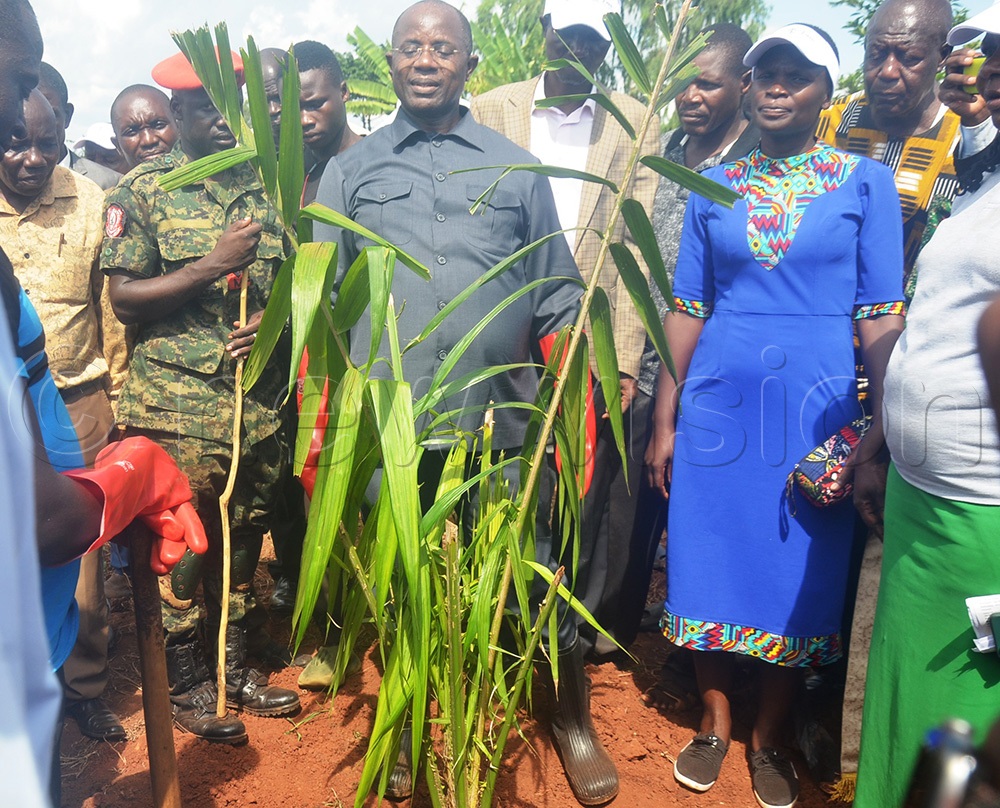
Agriculture state minister Frederick Bwino Kyakulaga (middle) launching oil Palm growing in Mayuge district. (Photo by Charles Kakamwa)
“Calculations indicate that a farmer growing sugarcane (Busoga’s dominant cash crop, presently) needs to plant up to 60 acres to match one acre of cocoa, while one doing maize needs 80 acres to match one acre of cocoa in terms of earnings,” Dr Isiko said.
These are some of the findings by the Busoga think tank, a team of experts that is currently developing the Busoga Strategic Development Plan.
The group that includes members of the academia, cultural, religious and political leaders, as well as agriculturalists and business people, first held a residential meeting at Nile Village Hotel in Jinja city from December 14 to 21, 2025, before breaking off for Christmas festivities.
In early January 2026, they regrouped for a week and finalised the first draft of the strategic plan.
According to Dr Isiko, the experts selected and analysed more than 20 value chains, but Cocoa, Coffee and Oil Palm stood out as the most suitable agro commodities for Busoga, on top of food crops grown by the people in the sub-region.
In the category of food crops, the team chose to promote bananas and industrial cassava in addition to onions and Irish potatoes for people with small pieces of land, while poultry and fish farming were also prioritised.
“It was found that most of our people work hard all year round, toiling to earn a living, but earn peanuts because they choose wrong enterprises and work without proper calculations. This is what we want to change,” he said.
“Our people must learn to do farming/business with calculations; they should learn this strategy or approach experts for assistance,” Dr Isiko said.
“Community members have good ideas but lack expertise from extension workers; the reason such experts will be deployed at parishes to assist them,” he noted.
According to him, the draft has four major components, which include promoting calculations (ekibalo) in farming, which includes the logic of determining the most profitable enterprises, enabling farmers produce better through the right technologies, seeds, chemicals and right extension services.
It also focuses on up-skilling people with business knowledge and the ecosystem, and enabling farmers distribute produce to the right markets.
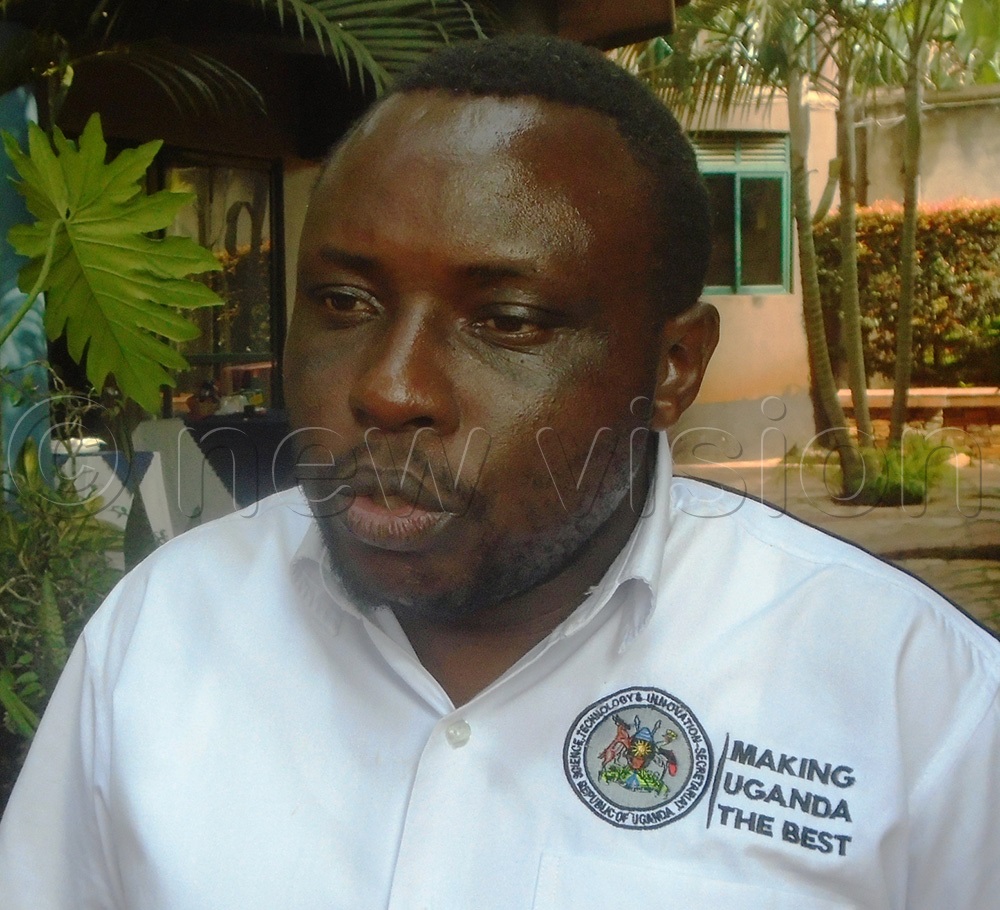
Dr Joshua Isiko, team leader at the productivity acceleration bureau, science, technology and innovation secretariat in the office of the president (STI-OP). (Photo by Charles Kakamwa)
The think tank members are currently receiving feedback from the public through various channels, such as their website and social media sites. In early February 2026, the team will go to the grassroots for more input from the community members.
Dr Isiko said they hope to conclude the final document and have it launched by April 2026, before the end of this financial year.
Busoga will be the second sub-region to develop its strategic development plan after Bukedi, whose sub-regional strategic plan for accelerated wealth creation was launched by President Yoweri Museveni on August 22, 2024.
During the ceremony, the president pledged that the government would provide each sub-region that makes a strategic development plan, sh50 billion each financial year, until 2040 for implementation of the plan, according to Dr Isiko.
Dr Isiko explained that the initiative followed a directive by President Yoweri Museveni to the Science, Technology and Innovation – Office of the President (STI-OP) to develop strategic programmes intended to accelerate productivity in the country.
In response to the directive, he said the productivity acceleration bureau innovated a tool that is intended to align sub-regions towards a few commodity value chains, in which those particular sub-regional households engage to create wealth.
"This tool is called a strategic plan to accelerate wealth creation. After its development, STI-OP will work with the National Planning Authority (NPA) to integrate it in the sub-regional development plan as the wealth creation component,’’ he said.